
The Jeep Wrangler, a symbol of off-road prowess and customization potential, often requires modifications and upgrades. Whether you're adding rock sliders, aftermarket bumpers, or even just replacing damaged body panels, chances are you'll encounter the unsung hero of Jeep modification: the nutsert. But what exactly is a nutsert, and why is understanding its part number crucial? This comprehensive guide will delve deep into the world of Jeep Wrangler nutserts, covering part numbers, installation techniques, potential challenges, and everything in between.
Introduction: What is a Nutsert and Why is it Important?
The Ultimate Guide to Jeep Wrangler Nutserts: Part Numbers, Installation, and Troubleshooting
A nutsert, also known as a rivet nut or rivnut, is a internally threaded fastener designed to be installed in thin materials that are otherwise too weak to support a tapped thread. Imagine trying to bolt something to the thin sheet metal of your Jeep's tub – without a nutsert, the threads would strip almost immediately. Nutserts provide a strong, reliable anchor point for bolts and screws, making them indispensable for a wide range of Jeep modifications.
They work by being inserted into a pre-drilled hole, and then a special tool is used to deform the nutsert, creating a flange on the backside of the material that securely grips the metal. This provides a robust threaded hole, ready to accept a bolt.
Understanding the correct nutsert part number for your specific Jeep Wrangler and application is critical for several reasons:
- Proper Fit: Using the wrong size or type of nutsert can lead to a weak connection, damage to the surrounding material, or even the inability to install the hardware at all.
- Material Compatibility: Nutserts are available in various materials like steel, stainless steel, and aluminum. Choosing the right material ensures corrosion resistance and prevents galvanic corrosion with the surrounding metal.
- Load Capacity: Different nutserts have different load capacities. Selecting a nutsert with sufficient strength is essential for safety and durability, especially for off-road applications.
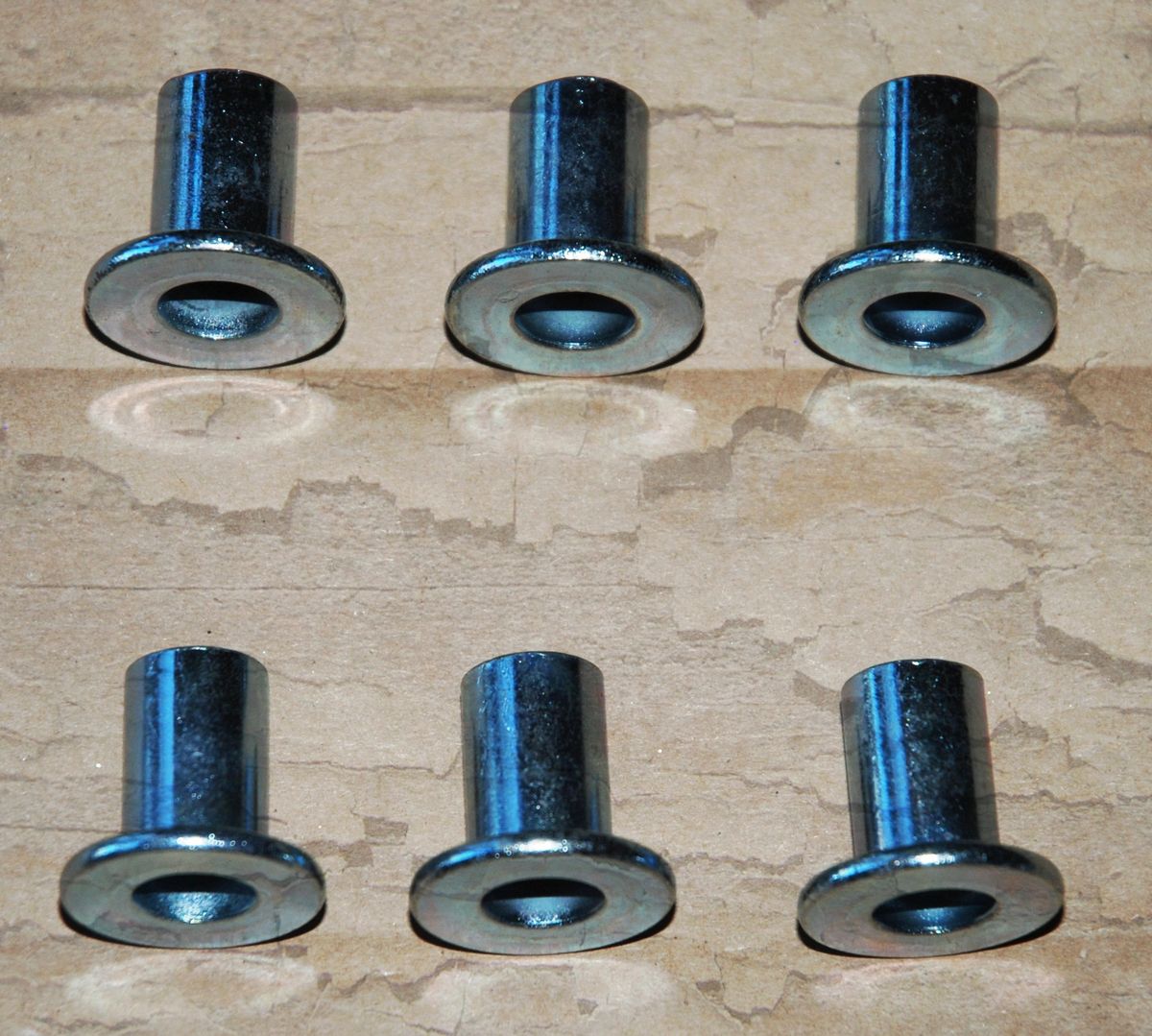
Section 1: Identifying the Correct Nutsert Part Number for Your Jeep Wrangler
Unfortunately, there isn't a single "universal" nutsert part number for all Jeep Wrangler applications. The correct part number depends on several factors, including:
- Jeep Wrangler Model and Year: Different Wrangler generations (TJ, JK, JL) often use different size nutserts. Even within the same generation, variations can occur depending on the specific application.
- Application: Are you installing rock sliders, a bumper, a cargo rack, or something else? The required load capacity and material thickness will influence the type and size of nutsert you need.
- Original Equipment Manufacturer (OEM) vs. Aftermarket: While OEM nutserts are readily available, many aftermarket manufacturers offer their own versions, sometimes with different dimensions or materials.

How to Find the Correct Part Number:
- Consult Your Jeep's Service Manual: The service manual often provides detailed information about the fasteners used in various locations on the vehicle, including nutserts.
- Check the Installation Instructions: If you're installing an aftermarket product (e.g., rock sliders), the installation instructions should specify the correct nutsert size and type.
- Contact the Manufacturer: If you're unsure, contact the manufacturer of the aftermarket product or a reputable Jeep parts supplier. They can provide valuable guidance.
- Measure the Existing Nutsert: If you're replacing a damaged nutsert, carefully measure its outer diameter, inner thread size, and length. This information will help you find a suitable replacement.
- Use Online Parts Databases: Websites like Quadratec, Morris 4x4 Center, and Amazon offer extensive parts databases that allow you to search for nutserts by Jeep model, year, and application.

Examples of Common Nutsert Part Numbers (Note: These are examples only and may not be suitable for all applications):
- M6 Nutserts: Often used for smaller accessories and interior trim.
- M8 Nutserts: Common for rock sliders, bumpers, and other structural components.
- M10 Nutserts: Used for heavier-duty applications where a higher load capacity is required.
Section 2: Types and Categories of Nutserts
Nutserts come in various types and materials, each with its own advantages and disadvantages. Here's a breakdown of some common categories:
- Round Body Nutserts: The most common type, featuring a round body that is easy to install.
- Knurled Body Nutserts: These have a knurled outer surface that provides a better grip on the material, preventing them from spinning during installation or removal.
- Hex Body Nutserts: Offer the highest resistance to spinning, making them ideal for high-torque applications.
- Closed-End Nutserts: These have a closed end, preventing moisture and debris from entering the threaded hole.
- Open-End Nutserts: The standard type with an open end, allowing for full thread engagement.
Material Considerations:
- Steel: Strong and cost-effective, but prone to rust if not properly coated.
- Stainless Steel: Excellent corrosion resistance, ideal for environments exposed to moisture and salt.
- Aluminum: Lightweight and corrosion-resistant, but not as strong as steel or stainless steel.
Section 3: Installing Nutserts: A Step-by-Step Guide
Installing nutserts correctly is crucial for a strong and reliable connection. Here's a step-by-step guide:
-
Gather Your Tools:
- Nutsert Installation Tool (Manual or Pneumatic)
- Drill with appropriate sized drill bits
- Deburring tool or file
- Safety Glasses
- Gloves
-
Prepare the Hole: Drill a hole in the material that is slightly larger than the outer diameter of the nutsert body. Deburr the edges of the hole to ensure a smooth surface.
-
Insert the Nutsert: Thread the nutsert onto the mandrel of the installation tool.
-
Install the Nutsert: Insert the nutsert into the pre-drilled hole.
-
Activate the Tool: Operate the installation tool to deform the nutsert and create the flange on the backside of the material.
-
Remove the Tool: Once the nutsert is securely installed, remove the installation tool.
-
Inspect the Installation: Verify that the nutsert is properly seated and that the flange is firmly gripping the material.
Section 4: Common Challenges and Solutions
Even with careful planning and execution, you may encounter challenges when installing nutserts. Here are some common problems and their solutions:
- Nutsert Spinning: This can occur if the hole is too large or if the nutsert is not properly installed. Try using a knurled or hex body nutsert for increased grip.
- Stripped Threads: Avoid over-tightening bolts into nutserts. Use a torque wrench to ensure proper torque.
- Difficult Installation: Using the wrong installation tool or not properly preparing the hole can make installation difficult. Ensure you have the correct tool and follow the instructions carefully.
- Corrosion: Choose the correct material for your environment and apply a corrosion-resistant coating to steel nutserts.
Section 5: Tips and Tricks for Successful Nutsert Installation
- Practice on Scrap Metal: Before installing nutserts on your Jeep, practice on a piece of scrap metal to get a feel for the process.
- Use a Quality Installation Tool: Investing in a good quality nutsert installation tool will make the job easier and more reliable.
- Apply Anti-Seize: Applying a small amount of anti-seize compound to the nutsert threads can prevent corrosion and make future bolt removal easier.
- Consider a Pneumatic Tool: For large projects, a pneumatic nutsert installation tool can save time and effort.
Section 6: Benefits of Using Nutserts on Your Jeep Wrangler
- Strong and Reliable Fastening: Nutserts provide a secure and durable anchor point for bolts and screws.
- Versatile Application: Can be used in a wide range of applications, from installing accessories to repairing damaged body panels.
- Easy Installation: Relatively easy to install with the right tools and techniques.
- Cost-Effective: A cost-effective solution for adding threaded holes to thin materials.
Concluding Summary
Nutserts are an essential component for anyone modifying or repairing a Jeep Wrangler. Understanding the correct part number, installation techniques, and potential challenges is crucial for a successful and reliable outcome. By following the guidelines outlined in this article, you can confidently tackle any nutsert-related project on your Jeep, ensuring a strong and durable connection for years to come. Remember to always prioritize safety and consult with professionals when needed.
Price Table
| Part Description | Material | Size | Price (USD) | Notes |
|---|---|---|---|---|
| M6 Round Body Nutsert | Steel | M6 x 1.0 | $0.50 | Common for interior trim |
| M8 Round Body Nutsert | Steel | M8 x 1.25 | $0.75 | Popular for rock sliders, bumpers |
| M10 Round Body Nutsert | Steel | M10 x 1.5 | $1.00 | For heavier-duty applications |
| M6 Round Body Nutsert | Stainless Steel | M6 x 1.0 | $1.00 | Corrosion resistant, interior/exterior |
| M8 Round Body Nutsert | Stainless Steel | M8 x 1.25 | $1.50 | Corrosion resistant, rock sliders, bumpers |
| M10 Round Body Nutsert | Stainless Steel | M10 x 1.5 | $2.00 | Corrosion resistant, heavy-duty |
| M8 Knurled Body Nutsert (Enhanced Grip) | Steel | M8 x 1.25 | $1.25 | Prevents spinning |
| M8 Hex Body Nutsert (Maximum Anti-Spin) | Steel | M8 x 1.25 | $1.75 | Highest resistance to spinning |
| Nutsert Installation Tool (Manual) | N/A | N/A | $30.00 | Essential for proper installation |
| Nutsert Installation Tool (Pneumatic) | N/A | N/A | $150.00 | Faster installation for large projects |
| Nutsert Assortment Kit (Various Sizes & Materials) | Various | Various | $50.00 | Great for general purpose use |
Prices are approximate and may vary depending on the supplier.
Frequently Asked Questions (FAQ)
Q: What is the difference between a nutsert and a weld nut?
A: A nutsert is installed mechanically, while a weld nut is welded to the material. Nutserts are easier to install in some situations, especially when welding is not possible or desirable.
Q: Can I install nutserts without a special tool?
A: While it is possible to install nutserts using improvised methods, it is highly recommended to use a dedicated nutsert installation tool for a secure and reliable connection.
Q: What size drill bit do I need for a specific nutsert?
A: The required drill bit size will depend on the outer diameter of the nutsert body. Consult the nutsert manufacturer's specifications for the correct drill bit size.
Q: How much torque can a nutsert handle?
A: The torque capacity of a nutsert depends on its size, material, and installation. Consult the manufacturer's specifications for the recommended torque values.
Q: Can I remove a nutsert after it has been installed?
A: Removing a nutsert can be challenging. Special tools are available for removing nutserts, but sometimes it may be necessary to drill out the nutsert.
Q: What if I strip the threads in a nutsert?
A: Depending on the severity of the damage, you may be able to use a thread repair kit (e.g., Helicoil) to repair the threads. Otherwise, you may need to replace the nutsert.