
The 2005 Jeep Grand Cherokee is a rugged and reliable SUV, celebrated for its off-road capabilities and comfortable ride. Whether you're a seasoned mechanic or a DIY enthusiast, understanding the intricate workings of your Grand Cherokee is crucial for maintenance, repairs, and upgrades. A vital tool in this endeavor is the 2005 Jeep Grand Cherokee Parts Diagram. This article serves as a comprehensive guide to navigating these diagrams, understanding their importance, and using them effectively to keep your Jeep running smoothly.
What is a 2005 Jeep Grand Cherokee Parts Diagram?
2005 Jeep Grand Cherokee Parts Diagram: A Comprehensive Guide
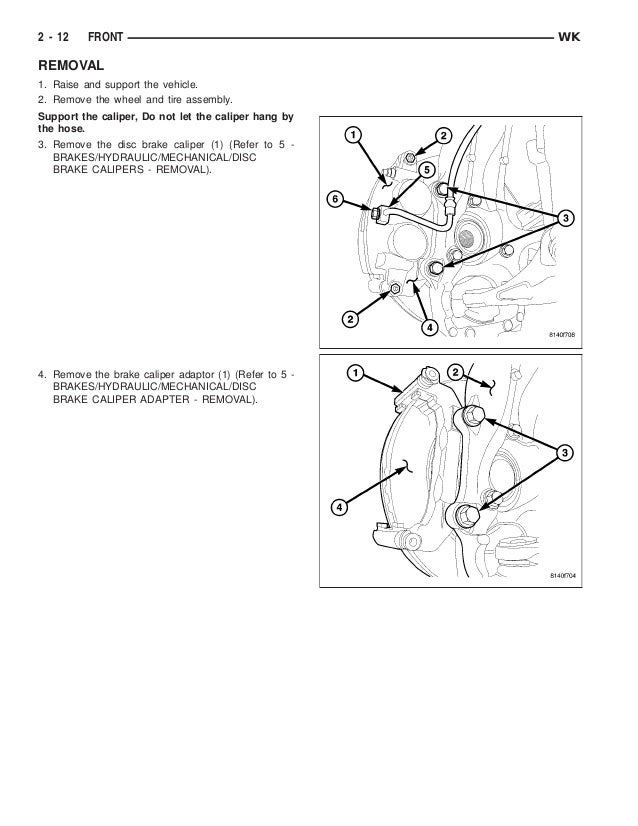
A 2005 Jeep Grand Cherokee Parts Diagram is a detailed visual representation of the vehicle's components, illustrating how each part fits together within a specific system or assembly. These diagrams are essentially exploded views, showing each part separately, but in its relative position within the whole. Each part is typically labeled with a unique identification number, which corresponds to a part number in a parts catalog.
Importance and Relevance
Parts diagrams are invaluable for several reasons:
- Accurate Identification: They allow you to accurately identify the specific part you need, eliminating guesswork and reducing the risk of ordering the wrong component.
- Repair and Assembly: They provide a clear understanding of how parts are assembled, making repairs and replacements easier and more efficient.
- Troubleshooting: By visualizing the system, diagrams can aid in troubleshooting problems, helping you pinpoint the source of an issue.
- Ordering Parts: They are essential when ordering replacement parts, ensuring you get the correct component for your specific model year and trim.
- Restoration Projects: For those undertaking restoration projects, parts diagrams are indispensable for reassembling vehicles correctly.
Key Sections of a Parts Diagram
A typical 2005 Jeep Grand Cherokee parts diagram is organized by major vehicle systems. Here are some of the most common sections:
- Engine: This section includes diagrams of the engine block, cylinder head, fuel system, cooling system, exhaust system, and related components.
- Transmission: Diagrams show the transmission housing, gears, shafts, clutches, and other internal parts.
- Drivetrain: This section covers the transfer case, axles, driveshafts, and differentials, detailing the components responsible for transmitting power to the wheels.
- Suspension: Diagrams illustrate the front and rear suspension systems, including shocks, struts, springs, control arms, and related hardware.
- Brakes: This section shows the brake calipers, rotors, pads, master cylinder, brake lines, and anti-lock braking system (ABS) components.
- Steering: Diagrams detail the steering gear, power steering pump, steering linkage, and related parts.
- Electrical: This section includes wiring diagrams, fuse box layouts, and diagrams of various electrical components, such as the starter, alternator, and sensors.
- Body: Diagrams show the body panels, trim, bumpers, doors, windows, and other exterior components.
- Interior: This section includes diagrams of the dashboard, seats, carpets, and other interior components.
- Heating and Air Conditioning (HVAC): Diagrams show the air conditioning compressor, evaporator, condenser, heater core, and related components.

Accessing Parts Diagrams
Several resources provide access to 2005 Jeep Grand Cherokee parts diagrams:
- Jeep Dealerships: Your local Jeep dealership can provide access to official parts diagrams.
- Online Parts Retailers: Many online parts retailers, such as Mopar parts websites, offer interactive parts diagrams.
- Aftermarket Repair Manuals: Haynes and Chilton manuals often include detailed parts diagrams.
- Online Forums and Communities: Jeep enthusiast forums and online communities may have members who can share diagrams or point you to helpful resources.
- Subscription-Based Repair Information Services: Services like Alldata and Mitchell OnDemand provide access to comprehensive repair information, including parts diagrams.
How to Use a Parts Diagram
- Identify the System: Determine which system or assembly you need to work on. For example, if you're replacing a brake caliper, you'll need to find the "Brakes" section.
- Locate the Relevant Diagram: Within the system section, find the specific diagram that corresponds to the component you're working on.
- Identify the Part: Use the diagram to identify the part you need. Pay attention to the shape, size, and location of the part.
- Find the Part Number: The diagram will usually have a number next to each part. This is the part number. Note this number down.
- Order the Part: Use the part number to order the replacement part from a reputable supplier.
- Assembly/Disassembly: When reassembling or disassembling, use the diagram as a reference to ensure parts are installed in the correct order and orientation.
Tips for Using Parts Diagrams Effectively
- Use High-Quality Diagrams: Opt for clear, high-resolution diagrams that are easy to read and understand.
- Double-Check Part Numbers: Always double-check the part number before ordering to ensure you're getting the correct component for your specific model year and trim.
- Consult Multiple Sources: Compare diagrams from different sources to verify accuracy and completeness.
- Take Pictures: Before disassembling anything, take pictures of the assembly from different angles. This will help you remember how everything goes back together.
- Label Parts: As you disassemble, label each part with its corresponding number from the parts diagram. This will prevent confusion during reassembly.
- Use the Right Tools: Use the appropriate tools for the job to avoid damaging parts.
- Seek Professional Help: If you're unsure about anything, don't hesitate to seek professional help from a qualified mechanic.
Potential Challenges and Solutions
- Diagram Inaccuracy: Parts diagrams may contain errors or omissions. To mitigate this, consult multiple sources and compare diagrams.
- Finding the Right Diagram: Locating the correct diagram for your specific model year and trim can be challenging. Use your VIN (Vehicle Identification Number) to ensure you're using the correct information.
- Diagram Complexity: Some diagrams can be complex and difficult to understand. Take your time, study the diagram carefully, and break down the assembly into smaller steps.
- Obsolete Parts: Some parts may be obsolete and no longer available from the manufacturer. In this case, you may need to source the part from a used parts supplier or find an aftermarket alternative.
Table Price
| Part Description | Estimated Price (USD) | Notes |
|---|---|---|
| Front Brake Pads | $30 - $60 | Price varies based on brand and material (ceramic, semi-metallic, etc.) |
| Front Brake Rotors | $50 - $100 each | Price varies based on brand and quality. |
| Water Pump | $80 - $150 | Price depends on brand and if it's a new or remanufactured unit. |
| Serpentine Belt | $20 - $40 | Consider a high-quality belt for longevity. |
| Spark Plugs (Set of 6) | $30 - $70 | Price varies based on plug type (copper, platinum, iridium). |
| Air Filter | $10 - $20 | Regular replacement recommended for optimal engine performance. |
| Fuel Filter | $20 - $40 | Helps maintain fuel system cleanliness. |
| Oil Filter | $5 - $15 | Essential for engine lubrication. Use a quality filter. |
| Radiator | $150 - $300 | Price varies greatly based on brand and material (aluminum, plastic). |
| Thermostat | $15 - $30 | Important for maintaining correct engine temperature. |
| Oxygen Sensor (O2 Sensor) | $40 - $80 each | Price depends on sensor location (upstream/downstream) and brand. |
| Mass Air Flow (MAF) Sensor | $80 - $150 | Critical for proper air/fuel mixture. |
| Transmission Filter | $20 - $40 | Essential for maintaining automatic transmission health. |
| Ball Joint (Front Upper/Lower) | $30 - $60 each | Inspect and replace in pairs for best results. |
| Tie Rod End (Inner/Outer) | $20 - $40 each | Replace in pairs and get an alignment afterward. |
| Wheel Bearing/Hub Assembly (Front/Rear) | $80 - $150 each | Price depends on brand and if it includes ABS sensor. |
| Headlight Assembly | $80 - $200 each | Price varies based on type (halogen, HID) and brand. |
| Tail Light Assembly | $50 - $100 each | Price depends on brand. |
| Power Window Regulator | $80 - $150 | Price varies based on front/rear and driver/passenger side. |
Frequently Asked Questions (FAQ)
- Q: Where can I find the parts diagram for my specific 2005 Jeep Grand Cherokee trim?
- A: The best place to start is with your VIN. Online parts retailers and Jeep dealerships can use your VIN to access diagrams specific to your vehicle.
- Q: Are parts diagrams the same for all 2005 Jeep Grand Cherokees?
- A: No, parts diagrams can vary based on the engine, transmission, and trim level of your Grand Cherokee. Always use diagrams that are specific to your vehicle.
- Q: What if I can't find the part I need on the diagram?
- A: Double-check the diagram to ensure you're looking in the correct section. If you still can't find it, consult with a Jeep dealership or a qualified mechanic.
- Q: Can I use parts diagrams from other model years for my 2005 Jeep Grand Cherokee?
- A: It's generally not recommended. While some parts may be interchangeable, there can be significant differences between model years. Always use diagrams that are specific to your 2005 model.
- Q: Are there any free online resources for 2005 Jeep Grand Cherokee parts diagrams?
- A: Yes, some online forums and communities may have members who share diagrams. However, be cautious about the accuracy of these diagrams and always verify the information before ordering parts.
Conclusion
The 2005 Jeep Grand Cherokee Parts Diagram is an indispensable tool for anyone maintaining, repairing, or restoring this iconic SUV. By understanding how to access and use these diagrams effectively, you can save time, money, and frustration while keeping your Jeep running in top condition. Remember to use high-quality diagrams, double-check part numbers, and consult multiple sources for accuracy. With a little patience and attention to detail, you can confidently tackle any repair or upgrade project on your 2005 Jeep Grand Cherokee.