
The Jeep Cherokee, a beloved icon of off-road capability and everyday practicality, owes much of its prowess to its robust four-wheel-drive system. A crucial component of this system is the front drive shaft, a seemingly simple yet vital piece of machinery. This article will delve into the world of Jeep Cherokee front drive shaft parts, providing a comprehensive guide to understanding their function, maintenance, replacement, and more. Whether you're a seasoned off-roader or a daily driver, understanding your front drive shaft is essential for ensuring your Cherokee's longevity and performance.
What is the Jeep Cherokee Front Drive Shaft and Why is it Important?
Understanding Your Jeep Cherokee's Front Drive Shaft: A Comprehensive Guide
The front drive shaft, also known as the front propeller shaft, is a rotating component responsible for transferring power from the transfer case to the front differential. In a four-wheel-drive (4WD) Jeep Cherokee, this power transfer allows the front wheels to engage, providing enhanced traction in various terrains, from snowy roads to rocky trails. When 4WD is not engaged, the front drive shaft typically rotates freely, minimizing wear and tear.
The importance of a functioning front drive shaft cannot be overstated. A damaged or failing drive shaft can lead to several problems, including:
- Loss of Four-Wheel Drive: The most obvious consequence is the inability to engage 4WD, rendering your Cherokee less capable in challenging conditions.
- Vibrations: Worn u-joints or a bent drive shaft can cause noticeable vibrations, especially at higher speeds.
- Noises: Grinding, clunking, or squealing noises emanating from the front of the vehicle can indicate drive shaft issues.
- Potential for Catastrophic Failure: A severely damaged drive shaft can break, potentially causing damage to other components, such as the transfer case or differential.
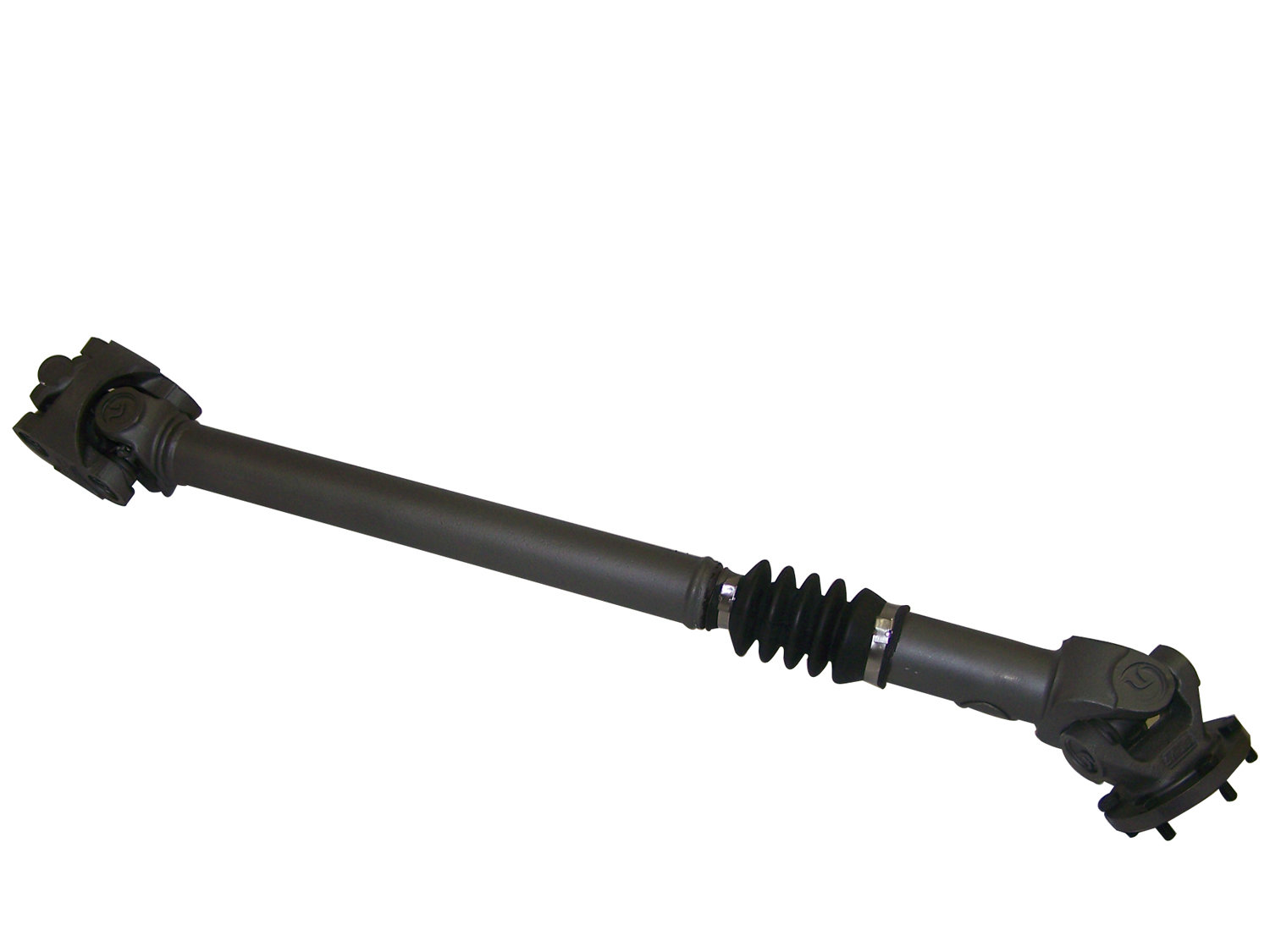
Key Components of the Jeep Cherokee Front Drive Shaft
The front drive shaft assembly consists of several key components working in unison:
- Drive Shaft Tube: The main body of the drive shaft, typically a hollow steel tube that connects the transfer case and the front differential.
- Universal Joints (U-Joints): These flexible joints connect the drive shaft to the transfer case and the front differential. They allow the drive shaft to transmit power even when the suspension is moving, and the angles between the components are changing. Typically, a Cherokee will have two U-joints on the front drive shaft.
- Slip Yoke: This component slides in and out of the transfer case, allowing for changes in length as the suspension articulates. It also contains a seal to prevent fluid leaks.
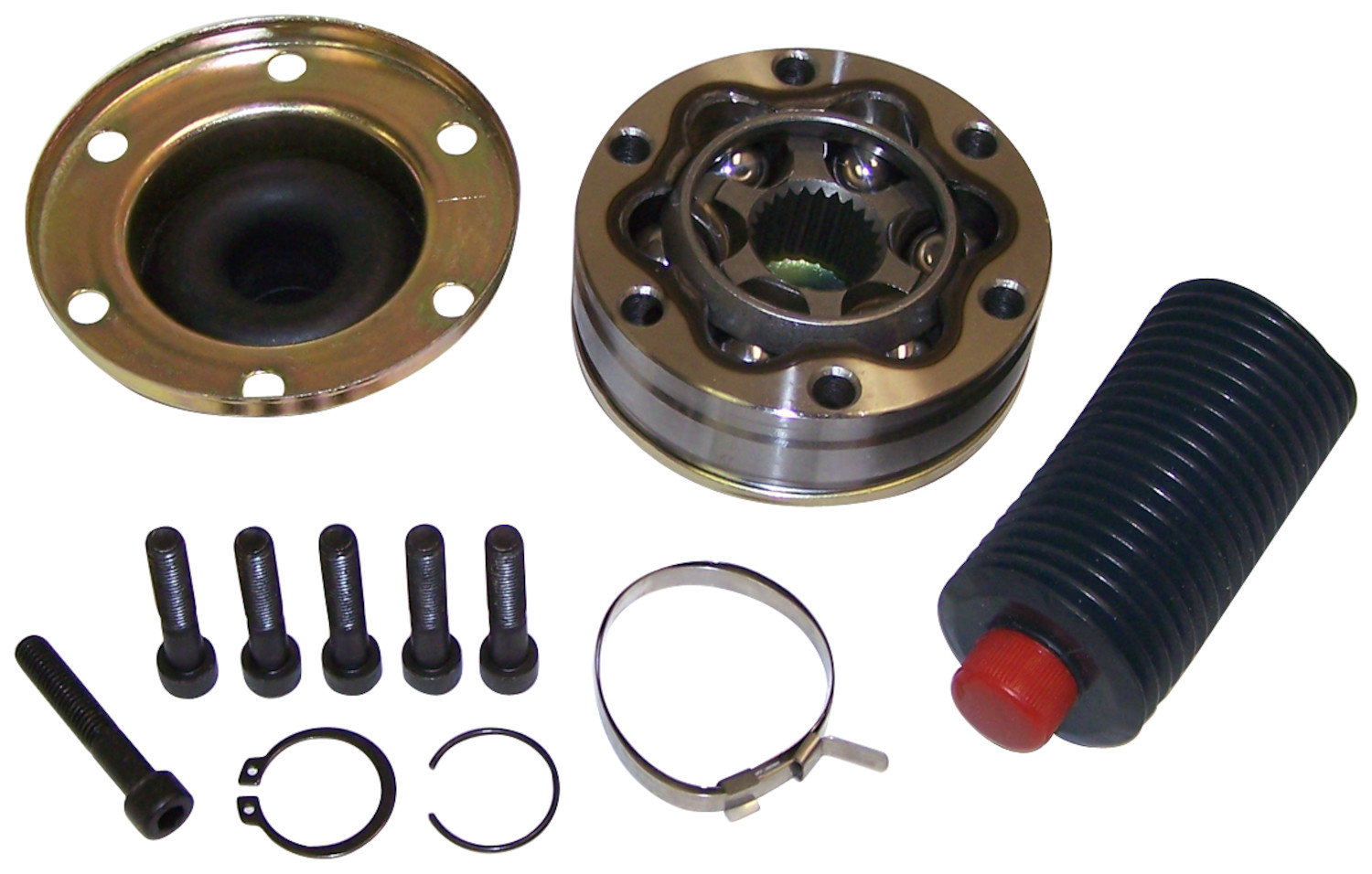
- CV (Constant Velocity) Joint (Some Models): Some Cherokee models, particularly those with independent front suspension, may use a CV joint instead of a U-joint at the front differential end. CV joints provide smoother power transfer at larger angles.
- Centering Yoke: Found on some drive shafts, this part helps maintain the alignment of the U-joints.
- Dust Shields/Seals: These components protect the U-joints from dirt, debris, and moisture, extending their lifespan.

Benefits of Maintaining and Upgrading Your Front Drive Shaft
Regular maintenance and occasional upgrades to your Jeep Cherokee's front drive shaft can provide several benefits:
- Improved Reliability: Regular greasing of U-joints and inspection for wear can prevent premature failure.
- Enhanced Performance: Upgrading to a stronger drive shaft can handle higher horsepower and torque, especially important for modified Jeeps.
- Reduced Vibration: Replacing worn U-joints or balancing the drive shaft can eliminate annoying vibrations.
- Increased Safety: A properly functioning drive shaft ensures reliable 4WD engagement, enhancing safety in adverse conditions.
- Extended Lifespan: Regular maintenance can significantly extend the lifespan of the drive shaft and related components.
How to Inspect Your Jeep Cherokee Front Drive Shaft
Regular inspection is crucial for identifying potential problems before they escalate. Here's a step-by-step guide:
- Visual Inspection: Look for signs of damage, such as dents, cracks, or rust on the drive shaft tube.
- U-Joint Check: Grasp the drive shaft near each U-joint and try to move it back and forth. Excessive play indicates worn U-joints. Also, look for signs of grease leakage around the seals.
- Slip Yoke Inspection: Check the slip yoke for excessive play or leakage.
- Listening for Noises: Pay attention to any unusual noises while driving in 4WD.
- Vibration Test: Be aware of any vibrations, particularly at higher speeds.
- Grease the U-Joints: Most U-joints have grease fittings (zerks). Use a grease gun to lubricate them regularly, typically every 3,000-5,000 miles or after off-roading in wet or muddy conditions.
Replacing Your Jeep Cherokee Front Drive Shaft: A DIY Guide (General Overview)
Replacing a front drive shaft is a task that can be undertaken by experienced DIY mechanics. However, it's crucial to have the right tools and follow safety precautions. This is a general overview and should not be substituted for a detailed repair manual specific to your Cherokee's year and model.
- Gather Tools and Materials: You'll need wrenches, sockets, a hammer, penetrating oil, a grease gun, a new drive shaft, and potentially new U-joints. Safety glasses and gloves are essential.
- Loosen Lug Nuts: Before lifting the vehicle, loosen the lug nuts on the front wheels.
- Lift and Secure the Vehicle: Use a jack to lift the front of the Cherokee and secure it with jack stands. Never work under a vehicle supported only by a jack.
- Mark the Drive Shaft: Before removing the old drive shaft, mark its orientation relative to the transfer case and the front differential. This will ensure proper phasing when installing the new drive shaft.
- Disconnect the Drive Shaft: Use wrenches to disconnect the U-joints from the transfer case and the front differential. Penetrating oil can help loosen stubborn bolts.
- Remove the Old Drive Shaft: Carefully remove the old drive shaft.
- Install the New Drive Shaft: Align the new drive shaft according to the marks you made earlier and bolt it into place.
- Grease the U-Joints: Before lowering the vehicle, grease the U-joints.
- Lower the Vehicle and Tighten Lug Nuts: Lower the vehicle and tighten the lug nuts to the proper torque specification.
- Test Drive: Take the Cherokee for a test drive to ensure the new drive shaft is functioning properly and there are no vibrations or noises.
Important Considerations When Choosing a Replacement Drive Shaft
When replacing your Jeep Cherokee's front drive shaft, consider the following factors:
- Year and Model: Ensure the replacement drive shaft is compatible with your Cherokee's specific year and model.
- Lift Height: If your Cherokee has a suspension lift, you may need a longer drive shaft to accommodate the increased ride height.
- Intended Use: If you frequently off-road or plan to upgrade your engine, consider a heavy-duty drive shaft.
- Brand Reputation: Choose a reputable brand known for quality and durability.
Potential Challenges and Solutions
- Stuck U-Joints: Use penetrating oil and a hammer to loosen stuck U-joints.
- Rounded Bolts: Use a socket designed for rounded bolts to remove damaged fasteners.
- Incorrect Drive Shaft Length: Measure your old drive shaft carefully to ensure the new one is the correct length.
- Vibrations After Installation: Check the U-joint angles and ensure the drive shaft is properly phased.
Price Table for Jeep Cherokee Front Drive Shaft Parts
| Part | Description | Approximate Price Range | Notes |
|---|---|---|---|
| Complete Front Drive Shaft Assembly | Includes drive shaft, U-joints, and slip yoke | $200 - $600 | Price varies based on brand, quality, and vehicle year. |
| U-Joint (Single) | Replacement U-joint for drive shaft | $20 - $50 | Price depends on brand, size, and if it's greasable or non-greasable. |
| Slip Yoke | Connects drive shaft to transfer case | $50 - $150 | Price depends on brand and vehicle year. |
| U-Joint Strap/Bolt Kit | Hardware to secure U-joints to yokes | $10 - $30 | Essential for proper installation and safety. |
| CV Joint Assembly (if applicable) | Constant Velocity joint for IFS models | $100 - $300 | Used on Cherokees with Independent Front Suspension (IFS). |
| Drive Shaft Balancing Service | Professional balancing to reduce vibrations | $75 - $150 | Recommended after replacing U-joints or if vibrations are present. |
| Transfer Case Output Shaft Seal | Prevents fluid leaks where drive shaft connects | $10 - $25 | Good practice to replace when removing the drive shaft. |
Prices are approximate and may vary depending on the retailer, location, and specific vehicle model year.
Frequently Asked Questions (FAQ)
- How often should I grease my U-joints? Typically every 3,000-5,000 miles or after off-roading in wet or muddy conditions.
- What are the symptoms of a bad U-joint? Vibrations, clunking noises, and excessive play in the drive shaft.
- Can I drive with a bad U-joint? It's not recommended. A failing U-joint can lead to a complete drive shaft failure, potentially causing further damage.
- Do I need to balance my drive shaft after replacing the U-joints? It's recommended to have the drive shaft balanced after replacing U-joints to minimize vibrations.
- What is the difference between a greasable and a non-greasable U-joint? Greasable U-joints have a zerk fitting for lubrication, while non-greasable U-joints are sealed and do not require regular greasing.
- Can I use a drive shaft from a different year Cherokee on my vehicle? It depends. Ensure the drive shaft is compatible with your Cherokee's specific year, model, and transfer case.
Conclusion
The Jeep Cherokee front drive shaft is a critical component for maintaining the vehicle's four-wheel-drive capability. Understanding its function, components, and maintenance requirements is essential for ensuring your Cherokee's longevity and performance. By following the tips and guidelines outlined in this article, you can keep your front drive shaft in top condition and enjoy the full potential of your Jeep Cherokee, whether on the road or off the beaten path. Remember to always prioritize safety and consult a qualified mechanic if you're unsure about any repair or maintenance procedure. A little preventative maintenance can save you significant trouble and expense down the road, allowing you to continue enjoying the adventurous spirit that defines the Jeep Cherokee.