
Introduction: The Enduring Legacy and the Importance of Genuine Parts
The iconic Jeep, particularly the World War II-era models like the Willys MB and Ford GPW, represents more than just a vehicle; it's a symbol of American ingenuity, resilience, and freedom. These rugged machines played a crucial role in Allied victory, traversing battlefields, transporting troops, and carrying vital supplies. Today, these Jeeps are highly sought after by collectors, historians, and off-road enthusiasts who appreciate their historical significance and mechanical simplicity.
Army Jeep Parts: A Comprehensive Guide to Restoration, Maintenance, and Preservation
Maintaining or restoring an Army Jeep requires a deep understanding of its components. "Army Jeep Parts" refers to the specific components designed and manufactured for these military vehicles. Using correct, period-accurate parts is essential for preserving the Jeep's authenticity, ensuring its reliability, and enhancing its value. This comprehensive guide will delve into the world of Army Jeep parts, covering everything from identifying correct parts to sourcing them, installation tips, and crucial considerations for keeping these historical machines alive and kicking.
Section 1: Identifying Authentic Army Jeep Parts: Decoding the Details
Distinguishing genuine Army Jeep parts from reproduction or civilian-market components is a crucial first step. Several factors can help you identify authentic parts:
- Manufacturer Markings: Willys-Overland and Ford were the primary manufacturers. Look for their logos or specific part numbers stamped or cast into the parts. These markings are often subtle but are the most reliable indicator of authenticity.
- Part Numbers: Army Jeep parts were meticulously documented. Researching part numbers in original technical manuals (TMs) and parts catalogs is essential. These manuals detail the correct part numbers for specific Jeep models and production years.
- Materials and Construction: Original parts were made to military specifications, often using specific grades of steel, brass, or rubber. Examine the materials and construction quality. For example, welds on original frames and bodies will often have a distinct appearance compared to modern welds.
- Date Codes: Some parts, particularly electrical components and tires, may have date codes stamped or molded into them. These codes can help you determine the production year of the part and its suitability for your Jeep.
- Paint and Finishes: Military Jeeps were typically painted in Olive Drab (OD) green. While repainting is common, examining areas where the original paint might be preserved (e.g., under brackets or inside panels) can provide clues about the original finish.
- Hardware: Original hardware, such as bolts, nuts, and washers, often had specific markings and finishes. Consult original parts catalogs to identify the correct hardware for your Jeep.
- Consult with Experts: When in doubt, consult with experienced Army Jeep restorers or collectors. They can often identify authentic parts based on their knowledge and experience.

Section 2: Essential Categories of Army Jeep Parts
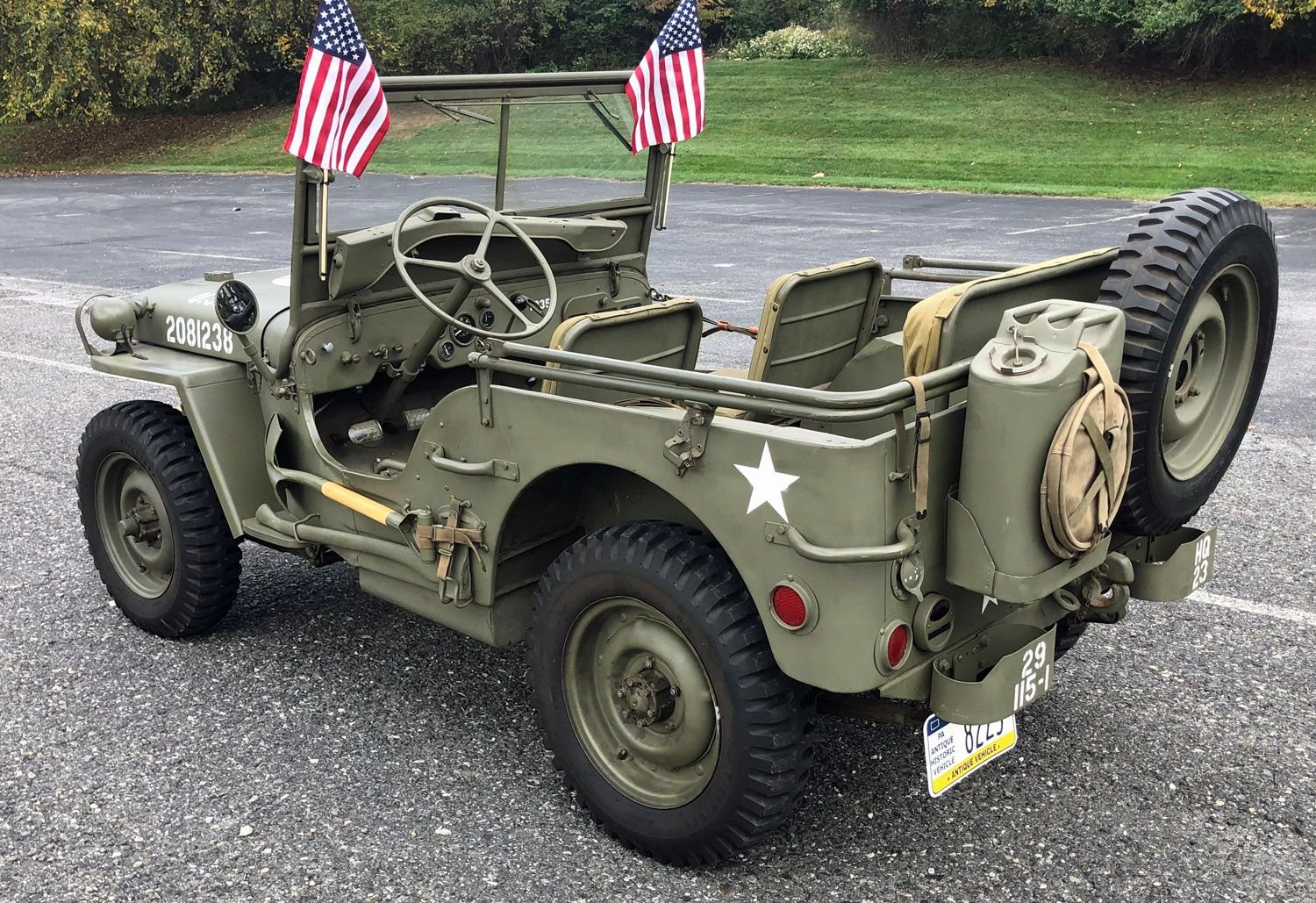
Army Jeep parts can be broadly categorized into the following groups:
- Engine Parts: This includes everything from engine blocks, cylinder heads, and carburetors to pistons, connecting rods, and valve train components. The Willys "Go-Devil" engine is a defining characteristic of these Jeeps.
- Transmission and Drivetrain: This category encompasses the transmission, transfer case, axles, differentials, and driveshafts. These parts are responsible for transmitting power from the engine to the wheels.
- Body Parts: Body panels, fenders, hoods, windshield frames, and seats fall into this category. Body parts are often the most challenging to find in good condition due to rust and damage.
- Electrical Parts: This includes the wiring harness, generator, starter motor, lights, and ignition system. Original electrical systems were typically 6-volt.
- Suspension and Steering: Springs, shocks, steering gear, and tie rods make up the suspension and steering systems. These parts are crucial for handling and ride quality.
- Brakes: Brake drums, shoes, cylinders, and master cylinder are essential for safe operation.
- Wheels and Tires: Original Jeeps used specific sizes and types of wheels and tires, often with military tread patterns.
- Accessories: This includes items like jerry cans, shovels, axes, and machine gun mounts. Accessories add to the Jeep's authenticity and functionality.

Section 3: Sourcing Army Jeep Parts: Where to Find the Treasures
Finding authentic Army Jeep parts can be a challenging but rewarding endeavor. Here are some common sources:
- Specialty Jeep Parts Suppliers: Several companies specialize in providing parts for vintage Jeeps, including Army models. These suppliers often carry both original and high-quality reproduction parts.
- Online Marketplaces: Websites like eBay, Craigslist, and specialized Jeep forums can be valuable sources for finding used or NOS (New Old Stock) parts. Exercise caution when buying online and thoroughly inspect the parts before purchasing.
- Swap Meets and Flea Markets: Automotive swap meets and flea markets can be treasure troves for finding vintage parts. Be prepared to haggle and thoroughly inspect the parts.
- Auction Houses: Auctions specializing in vintage vehicles or military memorabilia can sometimes offer Army Jeep parts.
- Salvage Yards: While finding usable parts in salvage yards is becoming increasingly rare, it's still worth checking if you have access to yards that specialize in older vehicles.
- Other Collectors and Restorers: Networking with other collectors and restorers can be a valuable way to find parts and gain knowledge.
Section 4: Restoration and Maintenance Tips for Army Jeep Parts
- Cleaning and Inspection: Before installing any part, thoroughly clean it and inspect it for damage or wear.
- Rust Removal: Use appropriate methods to remove rust from metal parts, such as sandblasting, chemical rust removers, or wire brushing.
- Painting and Finishing: Use correct paints and finishes to restore the original appearance of the parts. Consult original technical manuals for color codes and finish specifications.
- Lubrication: Properly lubricate all moving parts according to the Jeep's maintenance schedule.
- Assembly: Follow the original assembly procedures as outlined in the technical manuals.
- Testing: After installing a part, thoroughly test it to ensure it is functioning correctly.
- Documentation: Keep detailed records of all parts replaced and repairs made. This will be valuable for future maintenance and restoration.
- Preservation: For parts that are not currently in use, store them in a dry, protected environment to prevent rust and deterioration.
Section 5: Potential Challenges and Solutions
- Scarcity of Parts: Authentic Army Jeep parts can be scarce and expensive.
- Solution: Be patient and persistent in your search. Consider using reproduction parts when original parts are unavailable or prohibitively expensive.
- Identifying Correct Parts: It can be challenging to identify the correct parts for your specific Jeep model and production year.
- Solution: Consult original technical manuals and parts catalogs. Seek advice from experienced restorers and collectors.
- Rust and Damage: Many original parts are rusted or damaged.
- Solution: Use appropriate rust removal and repair techniques. Consider having damaged parts professionally repaired.
- Compatibility Issues: Reproduction parts may not always be perfectly compatible with original parts.
- Solution: Carefully research reproduction parts before purchasing them. Test fit parts before final installation.
Table of Army Jeep Parts Prices (Approximate)
| Part Description | Condition | Approximate Price Range | Notes |
|---|---|---|---|
| Willys MB Engine (Complete) | Rebuilt | $3,000 - $6,000 | Prices vary based on the level of rebuild and included components. |
| Transmission (Original) | Used | $500 - $1,500 | Condition is critical. Check for worn gears and smooth shifting. |
| Transfer Case (Original) | Used | $400 - $1,200 | Inspect for cracks and leaks. |
| Axle Assembly (Front or Rear) | Rebuilt | $800 - $2,000 | Includes differential, bearings, and axle shafts. |
| Body Tub (Reproduction) | New | $2,500 - $5,000 | Prices vary depending on the manufacturer and the completeness of the tub. |
| Windshield Frame (Original) | Used | $300 - $800 | Check for rust and damage to the glass and frame. |
| Wiring Harness (Reproduction) | New | $200 - $400 | Essential for a reliable electrical system. |
| Starter Motor (Original) | Rebuilt | $200 - $500 | Ensure it's the correct 6-volt unit. |
| Generator (Original) | Rebuilt | $150 - $400 | Check the output voltage. |
| Seat Set (Front & Rear, Reproduction) | New | $400 - $800 | Includes cushions and frames. |
| Tire (Military Tread, Reproduction) | New | $150 - $300 per tire | Prices vary depending on the size and brand. |
| Jerry Can (Original) | Used | $50 - $150 | Check for rust and leaks. |
Disclaimer: Prices are approximate and can vary depending on the source, condition, and rarity of the part. This table is for informational purposes only.
Conclusion: Preserving History, One Part at a Time
Restoring and maintaining an Army Jeep is a labor of love that connects us to a pivotal period in history. By understanding the importance of authentic Army Jeep parts, carefully sourcing them, and properly installing and maintaining them, we can ensure that these iconic vehicles continue to run for generations to come. The pursuit of correct parts is not just about preserving a machine; it's about honoring the legacy of the men and women who relied on these Jeeps during wartime. With dedication, patience, and a passion for history, you can keep these rolling monuments alive and kicking.
Frequently Asked Questions (FAQ)
-
Q: Where can I find a complete list of Army Jeep part numbers?
- A: Original Willys and Ford technical manuals (TMs) and parts catalogs are the best sources for part numbers. These manuals can be found online or at specialty Jeep parts suppliers.
-
Q: Are reproduction parts as good as original parts?
- A: Reproduction parts can vary in quality. Some reproduction parts are made to very high standards and are virtually indistinguishable from original parts. Others may be of lower quality. Research the manufacturer and read reviews before purchasing reproduction parts.
-
Q: How can I tell if a part is NOS (New Old Stock)?
- A: NOS parts are original parts that have never been used. They are typically in their original packaging and may have date codes or other markings that indicate their age. However, be cautious, as some sellers may falsely claim that a part is NOS.
-
Q: What is the best way to remove rust from Army Jeep parts?
- A: Several methods can be used to remove rust, including sandblasting, chemical rust removers, and wire brushing. Choose the method that is most appropriate for the type and severity of rust.
-
Q: Can I convert my Army Jeep to a 12-volt electrical system?
- A: Yes, it is possible to convert an Army Jeep to a 12-volt electrical system. However, this requires replacing several components, including the generator, starter motor, and wiring harness. Converting to 12-volts can improve reliability and allow you to use modern accessories, but it will also detract from the Jeep's originality.
-
Q: What is the correct paint color for an Army Jeep?
- A: The correct paint color for most WWII-era Army Jeeps is Olive Drab (OD) green. However, the exact shade of OD green varied depending on the manufacturer and production year. Consult original technical manuals or experienced restorers for the correct color code for your Jeep.