
Introduction: The Legacy Lives On
The Willys Kaiser Jeep represents more than just a vehicle; it's a symbol of American ingenuity, resilience, and adventure. From its crucial role in World War II to its civilian iterations that conquered challenging terrains, the Willys Jeep cemented its place in automotive history. The Kaiser Motors merger with Willys-Overland in 1953 further expanded the Jeep's legacy, introducing new models and solidifying its position as a versatile and dependable off-road vehicle.
Willys Kaiser Jeep Parts: A Comprehensive Guide to Keeping Your Classic Alive
But time takes its toll. Maintaining a Willys Kaiser Jeep requires dedication and a thorough understanding of its unique mechanical intricacies. Sourcing the correct parts is paramount to preserving its authenticity, functionality, and value. This comprehensive guide will delve into the world of Willys Kaiser Jeep parts, providing essential information, practical advice, and actionable insights to help you keep your classic Jeep running strong for years to come.
Section 1: Understanding the Willys Kaiser Jeep Lineup (1953-1970)
Before diving into parts, it's crucial to understand the different models produced during the Willys Kaiser era. Each model has its own specific parts and nuances:
- CJ-3B (1953-1968): The successor to the legendary CJ-3A, the CJ-3B is easily recognizable by its taller hood, accommodating the F-head engine. Parts are generally more readily available than earlier models.
- CJ-5 (1954-1983): A longer wheelbase and rounded body distinguished the CJ-5. While production continued beyond the Kaiser era, understanding the specific year of your CJ-5 is essential for sourcing correct parts. Kaiser-era CJ-5s used different engines and components than later AMC-era models.
- CJ-6 (1955-1975): An extended wheelbase version of the CJ-5, the CJ-6 offered more cargo space. Due to lower production numbers, some parts can be harder to find than those for the CJ-5.
- Willys FC-150/FC-170 (1956-1965): The Forward Control (FC) models were unique cab-over designs used for light hauling and specialized applications. Parts specific to the FC series can be challenging to locate.
- Jeep Wagoneer (1963-1991): While the Wagoneer's production also extended well beyond the Kaiser era, the early models (1963-1970) fall under the Willys Kaiser umbrella. These models introduced a more refined and comfortable Jeep experience.
- Jeep Gladiator/J-Series (1963-1988): Similar to the Wagoneer in terms of its overlap with the Kaiser and AMC eras, the early Gladiator/J-Series trucks are considered Willys Kaiser vehicles.
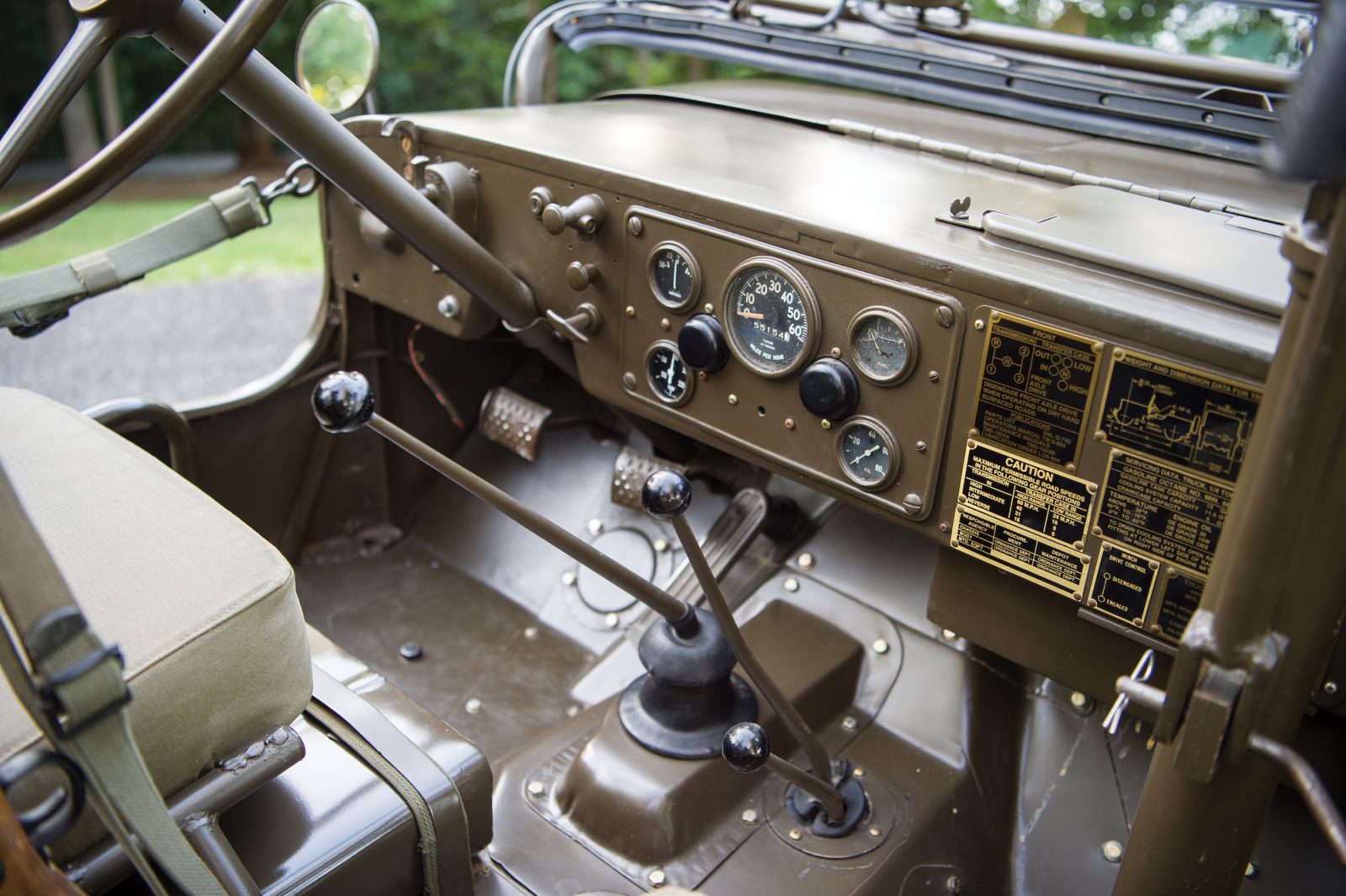
Knowing the year and model of your Jeep is the first step in successfully finding the right parts. Always double-check compatibility before making a purchase.
Section 2: Essential Categories of Willys Kaiser Jeep Parts
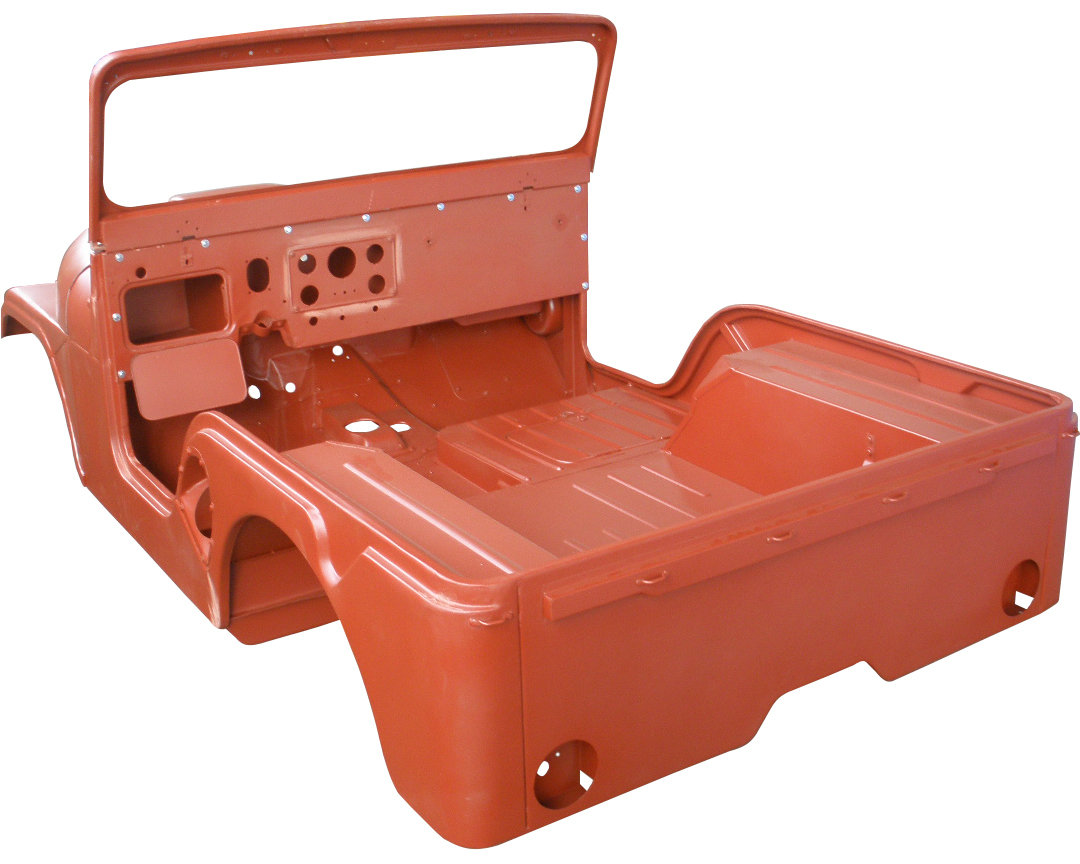
Willys Kaiser Jeep parts can be broadly categorized as follows:
- Engine Parts: This includes everything from pistons, rings, and bearings to carburetors, distributors, and fuel pumps. Common engines found in Willys Kaiser Jeeps include the F-head "Hurricane" four-cylinder, the L-head "Go-Devil" four-cylinder (earlier models), and the Buick V6 (introduced in the later Kaiser years).
- Transmission and Drivetrain Parts: This category covers transmissions, transfer cases, axles, differentials, driveshafts, and related components. Understanding the specific transmission and axle models used in your Jeep is vital for sourcing compatible parts.
- Suspension and Steering Parts: Leaf springs, shock absorbers, steering linkages, tie rod ends, and steering boxes fall into this category. These parts are crucial for maintaining ride quality and handling.
- Brake System Parts: Brake shoes, wheel cylinders, master cylinders, brake lines, and drums are essential for safe operation.
- Electrical Parts: Wiring harnesses, starters, alternators, lights, gauges, and switches are all part of the electrical system.
- Body and Trim Parts: Fenders, hoods, grilles, windshields, seats, and interior trim contribute to the Jeep's overall appearance and functionality.
- Accessories and Add-ons: Winches, roll bars, auxiliary lighting, and other accessories can enhance the Jeep's capabilities.

Section 3: Sourcing Willys Kaiser Jeep Parts: Where to Look
Finding the right Willys Kaiser Jeep parts requires a strategic approach. Here are several avenues to explore:
- Specialty Jeep Parts Suppliers: Numerous online and brick-and-mortar retailers specialize in vintage Jeep parts. These suppliers often have extensive catalogs and knowledgeable staff who can assist you in finding the correct parts.
- Online Marketplaces: eBay, Craigslist, and other online marketplaces can be valuable resources for finding used or NOS (New Old Stock) parts. Be cautious when purchasing from these sources, thoroughly inspect the parts, and ask detailed questions about their condition.
- Jeep Clubs and Forums: Joining a local or online Jeep club can connect you with fellow enthusiasts who may have parts for sale or know where to find them. Forums are also excellent platforms for asking questions and sharing information.
- Salvage Yards: While finding parts at salvage yards can be a hit-or-miss proposition, it's worth exploring if you need a specific component.
- Original Equipment Manufacturers (OEM): While many OEM parts are no longer available, some manufacturers still produce reproduction parts that meet original specifications.
- Reproduction Parts Manufacturers: Many companies specialize in manufacturing high-quality reproduction parts for classic Jeeps. These parts offer a reliable alternative to scarce or expensive original components.
Section 4: Considerations When Purchasing Parts
- Condition: Carefully assess the condition of used or NOS parts. Look for signs of wear, damage, or corrosion. Ask the seller for detailed photos and descriptions.
- Compatibility: Verify that the part is compatible with your specific Jeep model and year. Consult parts catalogs, technical manuals, or experienced mechanics to ensure proper fitment.
- Quality: Opt for high-quality reproduction parts or reputable brands to ensure durability and performance.
- Price: Compare prices from different suppliers to ensure you're getting a fair deal. Be wary of extremely low prices, as they may indicate inferior quality or counterfeit parts.
- Returns: Check the seller's return policy before making a purchase.
- Shipping: Consider shipping costs and delivery times, especially for large or heavy parts.
Section 5: Tips for Maintaining Your Willys Kaiser Jeep
- Regular Maintenance: Follow a regular maintenance schedule to prevent problems and extend the life of your Jeep. This includes changing fluids, lubricating components, and inspecting for wear and tear.
- Use the Correct Fluids: Use the recommended fluids for your Jeep's engine, transmission, and differentials.
- Keep it Clean: Wash and wax your Jeep regularly to protect the paint and prevent rust.
- Proper Storage: Store your Jeep in a dry, covered location to prevent corrosion and damage.
- Consult a Mechanic: If you're not comfortable performing repairs yourself, consult a qualified mechanic who is experienced with vintage Jeeps.
Section 6: Potential Challenges and Solutions
- Finding Rare Parts: Some parts, particularly those specific to less common models like the FC-150 or CJ-6, can be difficult to find. Consider using online search engines, contacting specialty Jeep parts suppliers, and networking with other Jeep enthusiasts.
- Identifying Correct Parts: Determining the correct part for your Jeep can be challenging, especially if you don't have access to original parts catalogs or technical manuals. Consult experienced mechanics, Jeep clubs, and online forums for assistance.
- Dealing with Rust and Corrosion: Rust and corrosion are common problems in vintage Jeeps. Repairing or replacing rusted body panels and components can be time-consuming and expensive. Consider using rust converters or professional rust repair services.
- Engine Problems: Older engines can experience various problems, such as oil leaks, poor compression, and carburetor issues. Regular maintenance, proper tuning, and timely repairs can help prevent engine problems.
Table: Willys Kaiser Jeep Parts Pricing Guide (Approximate)
| Part Description | Model Compatibility (Example) | Condition | Price Range (USD) | Notes |
|---|---|---|---|---|
| F-Head Engine Rebuild Kit | CJ-3B, CJ-5 (Early) | New | $500 - $1200 | Varies based on kit completeness and brand. |
| T-90 Transmission (Rebuilt) | CJ-3B, CJ-5 | Rebuilt | $400 - $800 | Core exchange often required. |
| Dana 18 Transfer Case (Used) | CJ-3B, CJ-5 | Used | $200 - $500 | Condition varies; inspect thoroughly. |
| Leaf Spring Set (Front/Rear) | CJ-5 | New | $300 - $600 per set | Choose spring rate based on intended use. |
| Brake Shoe Set (All 4 Wheels) | CJ-3B, CJ-5 | New | $50 - $100 | Ensure correct size and material. |
| Wiring Harness (Complete) | CJ-5 | New | $200 - $400 | Pre-wired and labeled for easy installation. |
| Windshield Frame (Bare Metal) | CJ-3B, CJ-5 | New | $250 - $500 | Requires painting and glass installation. |
| Fuel Pump (F-Head Engine) | CJ-3B, CJ-5 | New | $50 - $100 | Ensure correct pressure rating. |
| Carburetor (Rebuilt) | CJ-3B, CJ-5 | Rebuilt | $150 - $300 | Professionally rebuilt units offer better performance and reliability. |
Disclaimer: Prices are approximate and may vary depending on the supplier, condition, and specific part. Always verify compatibility before purchasing.
Conclusion: Preserving a Piece of History
Owning and maintaining a Willys Kaiser Jeep is a rewarding experience. It's a connection to a bygone era, a testament to enduring design, and a commitment to preserving a piece of automotive history. By understanding the specific needs of your Jeep, sourcing the correct parts, and performing regular maintenance, you can ensure that your Willys Kaiser Jeep continues to turn heads and conquer trails for generations to come. The legacy lives on, one carefully chosen part at a time.
Frequently Asked Questions (FAQ)
- Q: Where can I find a reliable parts catalog for my Willys Kaiser Jeep?
- A: Many specialty Jeep parts suppliers offer online or printed catalogs. Original factory service manuals and parts manuals are also invaluable resources.
- Q: Are reproduction parts as good as original parts?
- A: The quality of reproduction parts can vary. Opt for reputable brands that use high-quality materials and manufacturing processes. In some cases, reproduction parts may even be superior to original parts due to advancements in technology.
- Q: How can I determine the correct engine type in my Jeep?
- A: The engine type is typically stamped on the engine block. You can also consult your Jeep's VIN (Vehicle Identification Number) or factory service manual for engine identification information.
- Q: What is NOS (New Old Stock)?
- A: NOS refers to parts that are new but have been stored for many years. They are original parts that were never used.
- Q: How can I prevent rust on my Willys Kaiser Jeep?
- A: Regular washing and waxing, applying rust inhibitors, and storing your Jeep in a dry location can help prevent rust. Address any existing rust promptly to prevent it from spreading.
- Q: Is it difficult to work on a Willys Kaiser Jeep?
- A: Willys Kaiser Jeeps are relatively simple to work on compared to modern vehicles. However, some repairs may require specialized tools or knowledge. If you're not comfortable performing a particular repair, consult a qualified mechanic.