
The 1999 Jeep Grand Cherokee (WJ) holds a special place in automotive history. Known for its rugged capabilities, comfortable ride, and iconic Jeep styling, it remains a popular choice for off-road enthusiasts and daily drivers alike. However, owning a vehicle that's over two decades old inevitably leads to the need for repairs and replacements. That's where the world of 1999 Jeep Grand Cherokee used parts comes in.
This guide is your comprehensive resource for navigating the used parts market for your WJ. Whether you're a seasoned mechanic or a DIY novice, this article will equip you with the knowledge to find the right parts, save money, and keep your Grand Cherokee running strong for years to come.
Reviving a Legend: Your Guide to 1999 Jeep Grand Cherokee Used Parts
Why Choose Used Parts for Your 1999 Grand Cherokee?
Before diving into the specifics, let's address the fundamental question: why opt for used parts over new ones? Here are several compelling reasons:
- Cost Savings: This is the most significant advantage. Used parts are typically significantly cheaper than new parts, allowing you to stretch your repair budget.
- Availability: Certain parts, especially for older vehicles, may be discontinued or difficult to find new. The used market often provides a reliable source for these hard-to-find components.
- Original Equipment Manufacturer (OEM) Quality: Used parts are often OEM, meaning they were originally installed on the vehicle. This ensures proper fitment and performance, something that aftermarket parts can sometimes lack.
- Environmental Friendliness: Recycling used parts reduces waste and conserves resources, making it an environmentally responsible choice.
- Easier Matching: Finding the exact color match (especially for body panels) is easier with used parts, avoiding the need for repainting.

Navigating the 1999 Grand Cherokee Used Parts Landscape: Key Components and Considerations
The 1999 Jeep Grand Cherokee encompasses a wide range of components, each with its own set of considerations when buying used. Let's explore some of the most common parts categories:
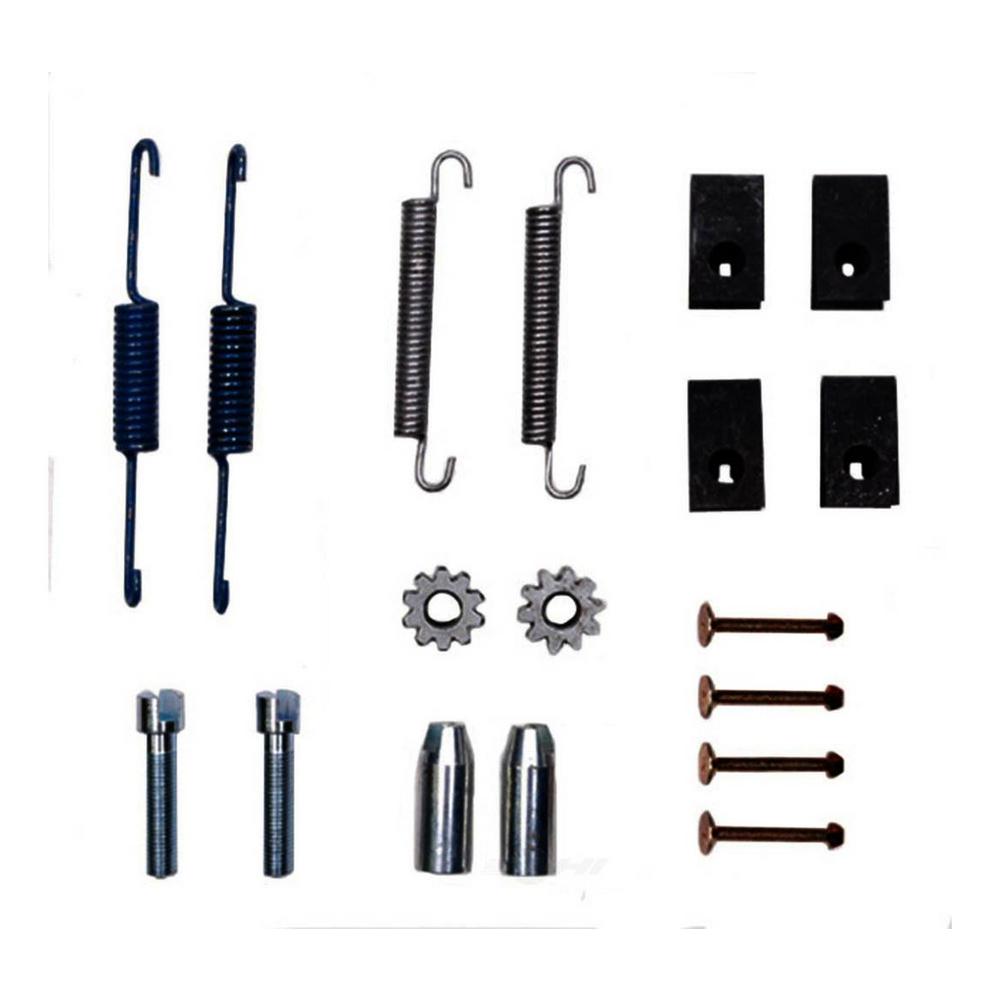
Engine Components: This includes everything from the engine block itself to sensors, alternators, starters, and fuel injectors. Important Considerations: Check the engine's mileage, history of maintenance, and compression. Have sensors tested before purchasing. Consider the labor costs involved in replacing major engine components.
-
Transmission and Drivetrain: This category covers the transmission, transfer case, driveshafts, and differentials. Important Considerations: Look for signs of leaks, slipping, or unusual noises. Have the transmission fluid checked for contamination. Ensure the transfer case mode selector functions correctly.
-
Body Panels and Exterior Trim: This includes doors, fenders, hoods, bumpers, grilles, and lights. Important Considerations: Inspect for rust, dents, and scratches. Ensure the paint matches your vehicle's color. Check the condition of mounting points.
-
Interior Components: This includes seats, dashboards, consoles, radios, and door panels. Important Considerations: Assess the condition of upholstery, plastics, and electronics. Check for damage from sun exposure or wear and tear.
-
Suspension and Steering: This category covers shocks, struts, springs, control arms, steering gear, and power steering pump. Important Considerations: Inspect for wear and tear, especially on bushings and ball joints. Check for leaks in the power steering system.
-
Electrical System: This includes wiring harnesses, computers, relays, and fuses. Important Considerations: Test electrical components before purchasing. Check for corrosion on wiring and connectors. Be aware that some electrical components may require programming.
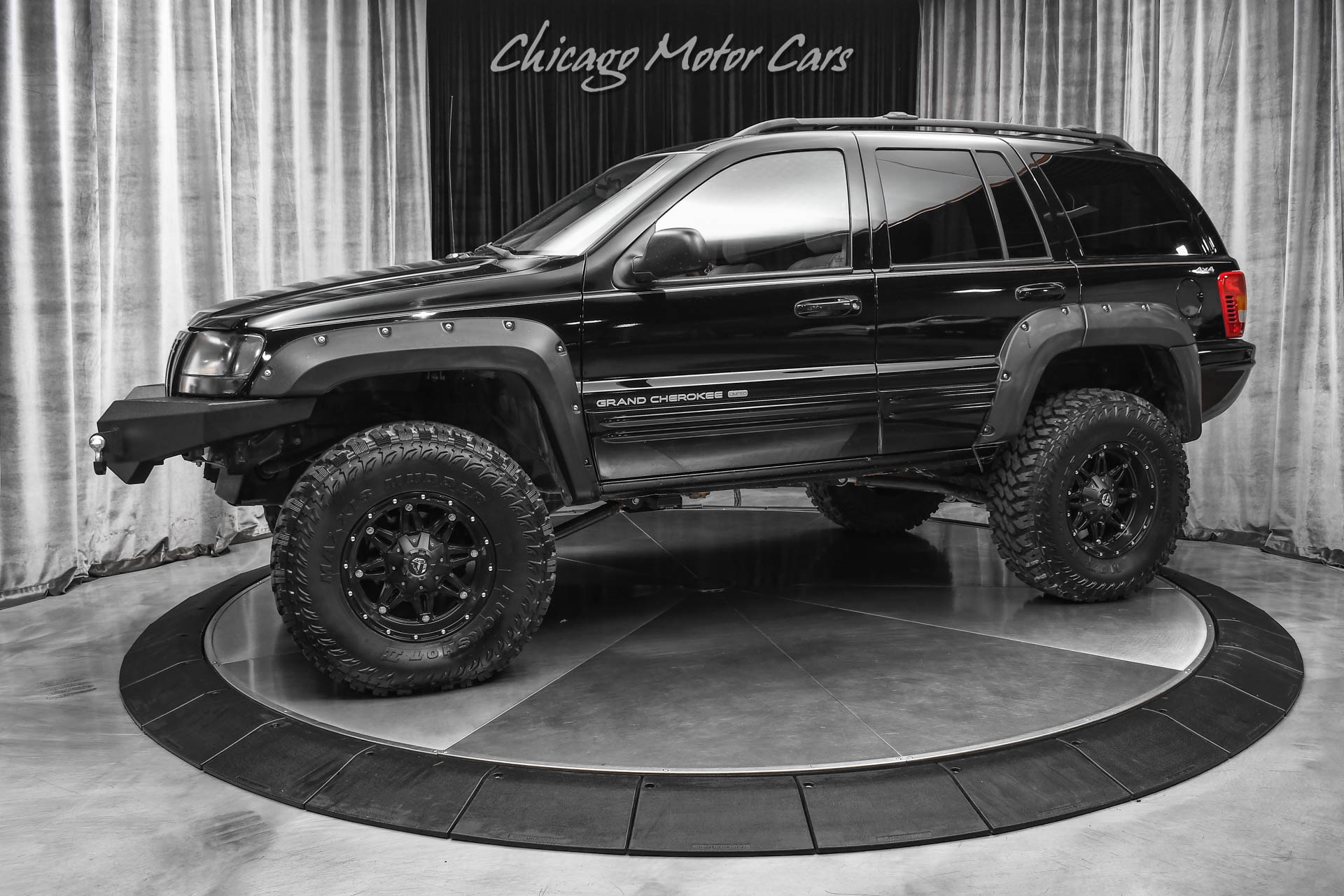
Where to Find 1999 Jeep Grand Cherokee Used Parts:
Several avenues are available for sourcing used parts for your WJ:
- Local Junkyards (Auto Salvage Yards): These are a treasure trove of used parts, often at the lowest prices. Be prepared to do some searching and possibly remove the parts yourself.
- Online Marketplaces (eBay, Craigslist, Facebook Marketplace): These platforms offer a wide selection of parts from individual sellers and businesses. Be sure to carefully review listings and ask questions before buying.
- Used Parts Dealers: These businesses specialize in selling used auto parts and often offer warranties and guarantees.
- Online Parts Locators: Websites like Car-Part.com can help you locate specific parts from junkyards across the country.
- Jeep Forums and Online Communities: These forums often have classifieds sections where members sell used parts.
Tips for Buying Used Parts:
- Do Your Research: Know the specific part number you need and research its compatibility with your vehicle.
- Inspect Carefully: Thoroughly inspect the part for damage, wear, and tear before purchasing.
- Ask Questions: Don't hesitate to ask the seller questions about the part's history, condition, and warranty.
- Negotiate: Don't be afraid to negotiate the price, especially at junkyards.
- Check the Return Policy: Make sure the seller has a reasonable return policy in case the part doesn't work or is defective.
- Bring Your Tools: If you're removing the part yourself, bring the necessary tools.
- Take Pictures: Document the part's condition before removing it or buying it.
- Consider a Warranty: If possible, purchase parts with a warranty to protect yourself against defects.
Potential Challenges and Solutions:
- Finding the Right Part: Use part numbers and detailed descriptions to ensure you're getting the correct part.
- Part Condition: Carefully inspect the part for damage and wear. Ask for pictures or videos if buying online.
- Installation Issues: Consult a mechanic if you're unsure about installing a part yourself.
- Warranty Concerns: Purchase parts from reputable sellers who offer warranties.
- Scams: Be wary of deals that seem too good to be true. Use secure payment methods.
How-To: Removing and Installing a Used Starter Motor (Example)
Let's illustrate the process with a common repair: replacing a starter motor.
Tools Needed:
- Socket set
- Wrench set
- Screwdriver
- Gloves
- Safety glasses
Steps:
- Disconnect the Battery: This is crucial for safety. Disconnect the negative terminal first, followed by the positive.
- Locate the Starter: The starter is typically located on the engine block, near the transmission.
- Disconnect the Wiring: Disconnect the electrical connectors from the starter. Remember to label them or take pictures for reassembly.
- Remove the Mounting Bolts: Use a socket or wrench to remove the bolts that secure the starter to the engine block.
- Remove the Starter: Carefully remove the starter from the engine.
- Install the Used Starter: Reverse the process to install the used starter.
- Reconnect the Battery: Reconnect the positive terminal first, followed by the negative.
- Test the Starter: Turn the key to start the engine and ensure the starter functions correctly.
Safety First! Always prioritize safety when working on your vehicle. Wear safety glasses and gloves, and disconnect the battery before working on electrical components. If you're unsure about any step, consult a qualified mechanic.
Conclusion:
The 1999 Jeep Grand Cherokee is a testament to Jeep's enduring legacy. By utilizing the used parts market, you can keep your WJ running smoothly and affordably. Remember to do your research, inspect parts carefully, and prioritize safety. With a little effort, you can revive your legend and enjoy the open road for years to come.
Table Price: Common 1999 Jeep Grand Cherokee Used Parts
| Part | Average Price Range (USD) | Notes |
|---|---|---|
| Engine (4.0L Inline-6) | $500 - $1500 | Mileage, condition, and completeness significantly affect price. |
| Transmission (Automatic) | $300 - $800 | Check for slipping, hard shifting, and leaks. |
| Transfer Case | $200 - $500 | Verify mode selector functionality and check for leaks. |
| Front Differential | $250 - $600 | Check for leaks and unusual noises. |
| Rear Differential | $200 - $500 | Check for leaks and unusual noises. |
| Door (Complete) | $100 - $300 | Price depends on color, condition, and completeness (glass, handles, etc.). |
| Fender | $50 - $150 | Inspect for rust and dents. |
| Hood | $75 - $200 | Inspect for rust and dents. |
| Bumper (Front or Rear) | $50 - $150 | Check for cracks and damage. |
| Headlight Assembly | $30 - $80 | Check for cracks and discoloration. |
| Taillight Assembly | $20 - $50 | Check for cracks and discoloration. |
| Starter Motor | $30 - $75 | Test before purchase. |
| Alternator | $40 - $100 | Test before purchase. |
| Power Steering Pump | $30 - $75 | Check for leaks and smooth operation. |
| Radiator | $40 - $100 | Check for leaks and damage to fins. |
| Seat (Front) | $50 - $150 | Price depends on condition, material (cloth or leather), and power features. |
| Dashboard | $100 - $300 | Inspect for cracks and sun damage. |
| Radio/CD Player | $25 - $75 | Test functionality before purchase. |
Note: Prices are approximate and can vary depending on location, seller, and part condition.
Frequently Asked Questions (FAQ):
-
Q: How can I find the correct part number for my 1999 Grand Cherokee?
- A: The part number can often be found on the part itself. You can also use your vehicle's VIN to look up parts on online parts catalogs or at your local Jeep dealer.
-
Q: What should I do if a used part I bought doesn't work?
- A: Contact the seller immediately. If they have a return policy, follow their instructions for returning the part. If not, you may need to file a claim with your payment provider.
-
Q: Is it safe to buy used engine or transmission parts?
- A: It can be, but it's important to thoroughly inspect the parts and ask questions about their history. Consider having a mechanic inspect the parts before installation.
-
Q: How can I tell if a used part is in good condition?
- A: Look for signs of damage, wear, and tear. Ask for pictures or videos if buying online. Test the part if possible before purchasing.
-
Q: Can I install used parts myself, or should I hire a mechanic?
- A: It depends on your skill level and the complexity of the repair. If you're unsure about any step, it's best to hire a qualified mechanic.
-
Q: Are there any parts I should always buy new?
- A: Parts that are critical to safety, such as brake pads, brake rotors, and tires, are generally recommended to be purchased new.
-
Q: What's the best way to clean a used part before installing it?
- A: Use a degreaser or parts cleaner to remove dirt, grease, and grime. Be careful not to damage any sensitive components.