
For generations, the Willys Jeep has been a symbol of American ingenuity, ruggedness, and unparalleled off-road capability. From its vital role in World War II to its enduring presence on trails and farms across the globe, the Willys Jeep represents a legacy of adventure and dependability. Keeping these iconic vehicles running requires access to high-quality parts, and that's where Kaiser Willys Jeep Parts comes into play. This article serves as a comprehensive guide to understanding the world of Kaiser Willys Jeep Parts, covering everything from their importance to sourcing, installation, and troubleshooting. Whether you're a seasoned restorer or a first-time Jeep enthusiast, this guide will provide you with the knowledge you need to keep your Willys Jeep alive and kicking.
What are Kaiser Willys Jeep Parts and Why are They Important?
Kaiser Willys Jeep Parts: Restoring History, One Component at a Time
Kaiser Willys Jeep Parts encompasses the components required to maintain, repair, and restore Willys Jeeps, specifically models produced from the early 1940s (primarily the MB and GPW) through the mid-1960s (including CJ-2A, CJ-3A, CJ-3B, CJ-5, M38, and M38A1). These parts range from simple nuts and bolts to complex engine components, body panels, and electrical systems.
The importance of using correct and reliable Kaiser Willys Jeep Parts cannot be overstated. These vehicles are more than just transportation; they are historical artifacts. Using the right parts ensures:
- Authenticity: Preserving the original design and character of the Jeep.
- Functionality: Maintaining the Jeep's intended performance and reliability, especially for off-road use.
- Longevity: Extending the lifespan of the vehicle by using durable and compatible components.
- Value: Protecting the investment and potentially increasing the Jeep's value, particularly for collectors.
- Safety: Ensuring the vehicle operates safely, especially critical components like brakes and steering.

Sourcing Kaiser Willys Jeep Parts: A Guide to Finding the Right Components
Finding the right Kaiser Willys Jeep Parts can be an adventure in itself. Several avenues exist, each with its own advantages and disadvantages:
- Specialized Parts Dealers: Companies specializing in vintage Jeep parts are the go-to resource for many restorers. These dealers often offer a wide selection, knowledgeable staff, and reproduction parts made to original specifications. They typically have comprehensive catalogs, both online and in print. Examples include KaiserWillys.com, Walck's Four Wheel Drive, and others.
- Online Marketplaces: Platforms like eBay and Craigslist can be valuable for finding used or NOS (New Old Stock) parts. However, exercise caution when buying from unknown sellers. Thoroughly inspect pictures, ask questions, and check seller ratings before making a purchase.
- Local Auto Parts Stores: While modern auto parts stores may not stock parts specifically labeled "Kaiser Willys," they can sometimes provide suitable replacements for generic components like hoses, belts, and filters. Cross-referencing part numbers is crucial in these cases.
- Swap Meets and Flea Markets: Attending automotive swap meets and flea markets can unearth hidden treasures. These events often feature vendors selling rare and hard-to-find parts. Be prepared to haggle and carefully inspect the parts before buying.
- Jeep Clubs and Online Forums: Joining a Jeep club or participating in online forums dedicated to vintage Jeeps can provide valuable information and access to parts. Members often share resources, tips, and even sell parts among themselves.

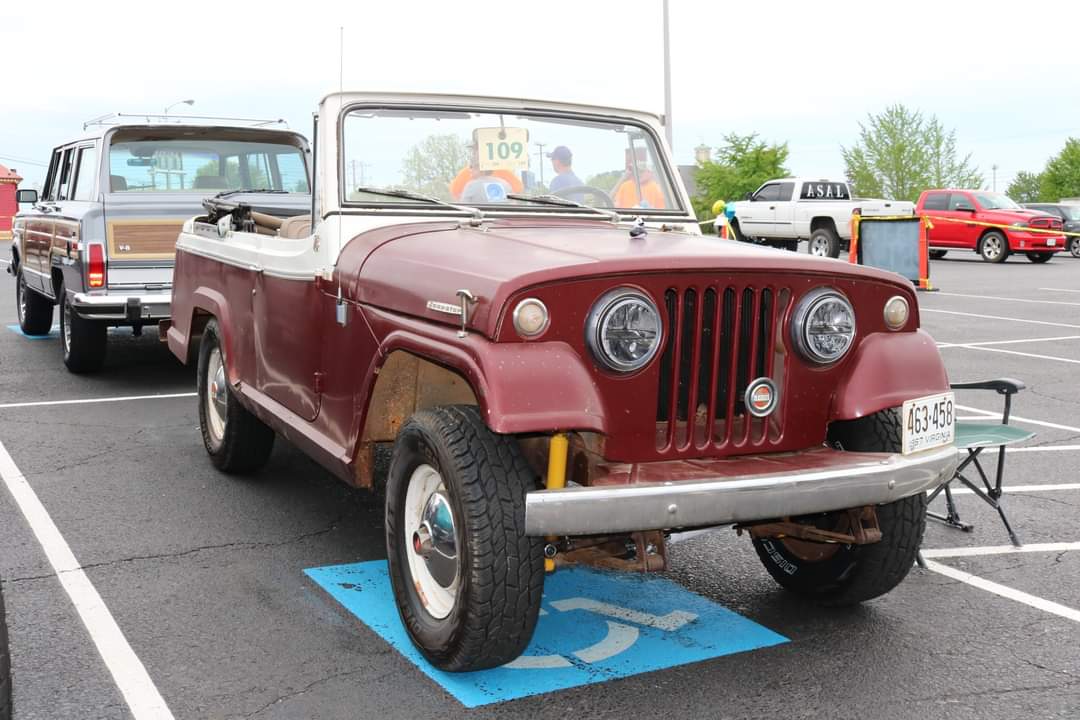
Essential Categories of Kaiser Willys Jeep Parts
The world of Kaiser Willys Jeep Parts is vast. Here's a breakdown of some key categories:
- Engine Parts: Pistons, rings, bearings, gaskets, valves, camshafts, cylinder heads, carburetors, distributors, fuel pumps, water pumps, and exhaust systems. Critical for maintaining engine performance and reliability.
- Transmission and Drivetrain Parts: Gears, shafts, bearings, seals, clutches, transfer cases, differentials, and axles. Essential for transmitting power from the engine to the wheels.
- Suspension and Steering Parts: Leaf springs, shocks, shackles, tie rods, drag links, steering boxes, and steering wheels. Crucial for handling, ride quality, and safety.
- Brake Parts: Brake drums, shoes, wheel cylinders, master cylinders, brake lines, and emergency brake cables. Vital for stopping the vehicle safely.
- Body Parts: Fenders, hoods, windshields, grilles, floors, tailgates, and seats. Important for restoring the Jeep's appearance and structural integrity.
- Electrical Parts: Wiring harnesses, lights, switches, gauges, starters, generators, and batteries. Essential for the Jeep's electrical system to function properly.
- Accessories: Winches, tops, doors, mirrors, and other accessories to enhance the Jeep's functionality and appearance.
Tips for Working with Kaiser Willys Jeep Parts
Restoring a Willys Jeep is a rewarding but challenging endeavor. Here are some tips to help you along the way:
- Research Thoroughly: Before ordering any parts, research the correct part numbers for your specific Jeep model and year. Parts catalogs and online resources are invaluable.
- Take Pictures and Notes: Document everything you disassemble. Take pictures and make notes to help you remember how parts fit together during reassembly.
- Use a Parts Washer: Clean dirty parts thoroughly before inspecting them for damage. A parts washer can make this task much easier.
- Invest in Good Tools: Having the right tools will make the job easier and prevent damage to parts. Wrenches, sockets, screwdrivers, pliers, and a torque wrench are essential.
- Don't Force Anything: If a part doesn't fit easily, don't force it. Double-check that you have the correct part and that it's properly aligned.
- Use Penetrating Oil: Stubborn bolts and nuts can be loosened with penetrating oil. Apply it liberally and let it soak for a few hours or even overnight.
- Ask for Help: Don't be afraid to ask for help from experienced restorers or mechanics. Jeep clubs and online forums are great resources for getting advice.
Potential Challenges and Solutions
Restoring a Willys Jeep can present various challenges. Here are some common issues and potential solutions:
- Finding Rare Parts: Some parts are extremely rare and difficult to find. Be patient and persistent. Check multiple sources and consider using reproduction parts if necessary.
- Rust and Corrosion: Rust and corrosion are common problems on older Jeeps. Remove rust with a wire brush, sandblaster, or chemical rust remover. Repair or replace corroded parts as needed.
- Incorrect Parts: Ordering the wrong parts is a common mistake. Double-check part numbers and descriptions before ordering. Contact the parts dealer if you're unsure.
- Stripped Threads: Stripped threads can be repaired with thread repair kits. Heli-Coil kits are a popular option.
- Leaking Seals: Leaking seals are common on older engines and transmissions. Replace worn seals with new ones.
Price Table for Kaiser Willys Jeep Parts
| Part Category | Part Description | Average Price Range | Notes |
|---|---|---|---|
| Engine | Complete Engine Rebuild Kit (L-Head) | $800 - $1500 | Includes pistons, rings, bearings, gaskets. Price varies by quality and manufacturer. |
| Engine | Carburetor (Rebuilt) | $150 - $300 | Solex or Carter models. Core deposit may apply. |
| Transmission | Transmission Rebuild Kit | $200 - $400 | Includes bearings, seals, and gaskets. |
| Transmission | Transmission Gear Set | $300 - $600 | For specific gear ratios. |
| Brakes | Complete Brake Shoe Set (4 Wheels) | $50 - $100 | |
| Brakes | Master Cylinder (New) | $75 - $150 | |
| Suspension | Leaf Spring (Front or Rear) | $100 - $250 | Price varies by number of leaves and quality. |
| Body | Front Fender (Reproduction) | $200 - $400 | |
| Body | Windshield Frame (Reproduction) | $300 - $600 | |
| Electrical | Wiring Harness (Complete) | $200 - $400 | Important for safety and reliability. |
| Accessories | Canvas Top (Reproduction) | $250 - $500 | |
| Accessories | Seat Cover Set (Front and Rear) | $150 - $300 | Vinyl or canvas options available. |
| Tires | NDCC Tires (Set of 4) | $600 - $1000 | Original Non-Directional Combat Compound tire style. |
Note: Prices are approximate and may vary depending on the supplier, condition (new, used, rebuilt), and specific Jeep model.
Frequently Asked Questions (FAQ)
-
Where can I find the correct part number for my Jeep?
- Consult the original Willys Jeep parts catalog for your model year. Many online resources also offer part number lookups.
-
Are reproduction parts as good as original parts?
- Reproduction parts can vary in quality. Choose reputable brands and read reviews before buying. High-quality reproduction parts can be a good alternative to rare or expensive original parts.
-
How can I tell if a used part is still in good condition?
- Visually inspect the part for damage, wear, and corrosion. Check for cracks, bends, and broken welds. If possible, test the part before buying.
-
What is NOS (New Old Stock)?
- NOS refers to parts that are new but were manufactured years ago and have been sitting on a shelf. NOS parts can be valuable but may require cleaning or restoration.
-
Can I use modern parts on my Willys Jeep?
- While some modern parts can be adapted to fit, it's generally best to use parts designed specifically for your Willys Jeep to maintain authenticity and functionality.
Conclusion
Restoring a Kaiser Willys Jeep is a labor of love that connects you to a rich history and a community of passionate enthusiasts. By understanding the importance of using correct Kaiser Willys Jeep Parts, knowing where to source them, and following the tips and advice outlined in this guide, you can ensure that your Willys Jeep continues to run strong and turn heads for years to come. Remember to prioritize safety, take your time, and enjoy the journey of bringing a piece of American history back to life. The satisfaction of driving a meticulously restored Willys Jeep is an experience unlike any other.