
The Jeep Cherokee, a name synonymous with rugged reliability and off-road capability, has cemented its place in automotive history. Whether you own a classic XJ Cherokee, a modern KL, or any generation in between, maintaining your Jeep is crucial for ensuring its longevity and performance. This comprehensive guide, "Partes Para Jeep Cherokee" (Parts for Jeep Cherokee), will delve into the world of Jeep Cherokee parts, covering everything from essential components and maintenance tips to sourcing options and potential challenges.
Introduction: The Importance of Quality Jeep Cherokee Parts
Partes Para Jeep Cherokee: A Comprehensive Guide to Parts and Maintenance
"Partes Para Jeep Cherokee" refers to the vast array of components required to keep your Cherokee running smoothly, safely, and performing at its best. From routine maintenance items like oil filters and brake pads to more complex components like engine parts and suspension systems, the availability and quality of these parts are paramount. Choosing the right parts not only impacts the lifespan of your vehicle but also its overall safety and performance, particularly for those who enjoy off-roading adventures. Using inferior or incorrect parts can lead to costly repairs, reduced performance, and even safety hazards. This guide aims to provide you with the knowledge necessary to make informed decisions about "Partes Para Jeep Cherokee" and ensure your Jeep remains a reliable and capable companion.
Understanding the Vital Systems and Their Parts
To effectively navigate the world of "Partes Para Jeep Cherokee," it's essential to understand the major systems within your vehicle and the key components associated with each.
-
Engine: The heart of your Cherokee, the engine requires regular maintenance and occasional replacements. Key parts include:
- Filters: Oil filter, air filter, fuel filter (ensure proper filtration for optimal performance and longevity).
- Spark Plugs: Crucial for ignition and fuel efficiency. Replace according to the manufacturer's recommendations.
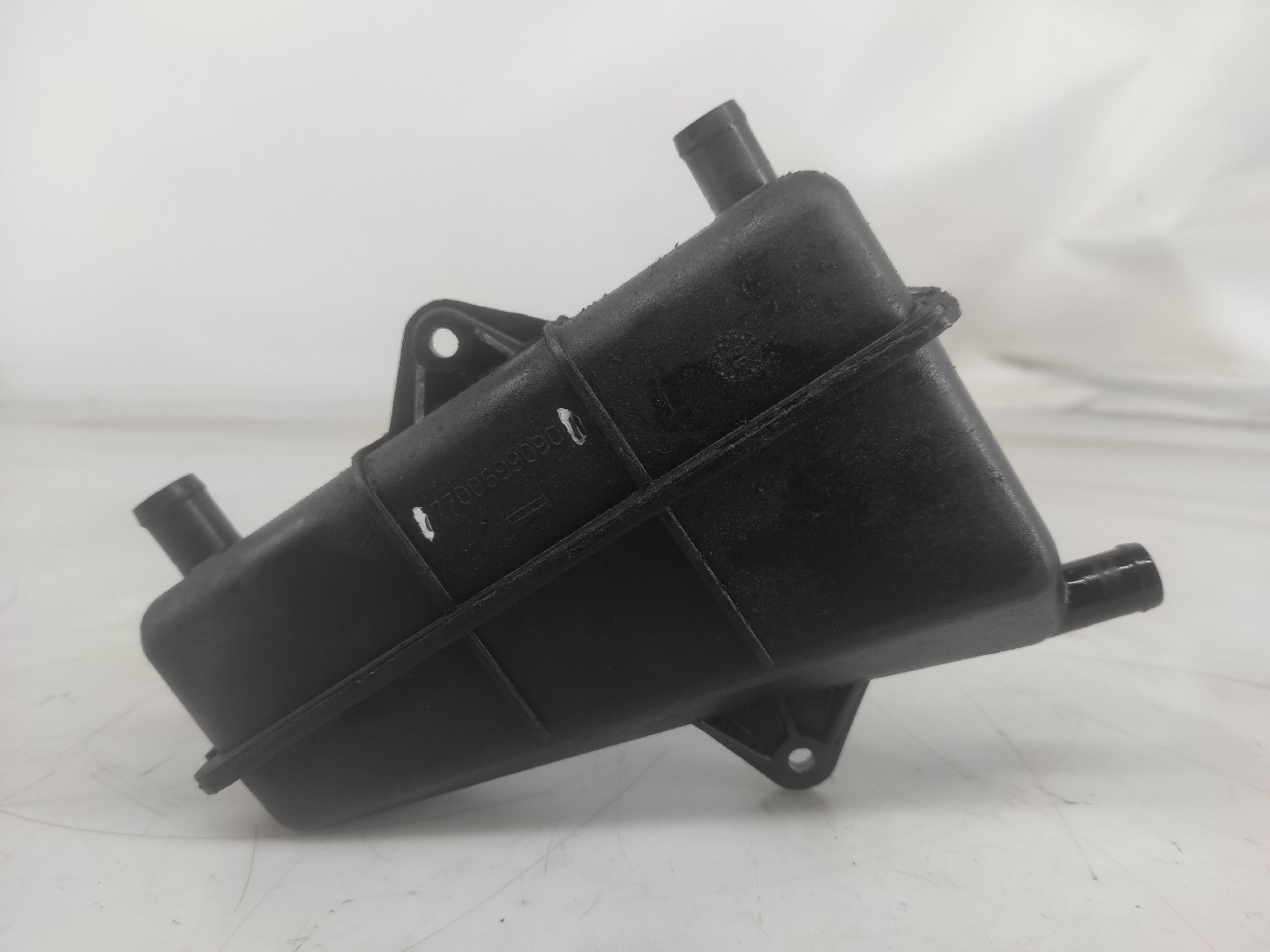
- Belts and Hoses: Drive belts (serpentine belt) and coolant hoses are prone to wear and tear. Inspect and replace as needed to prevent breakdowns.
- Sensors: Oxygen sensors, mass airflow (MAF) sensors, and crankshaft position sensors play vital roles in engine management. Faulty sensors can lead to poor performance and fuel economy.
- Gaskets: Head gaskets, valve cover gaskets, and intake manifold gaskets prevent leaks. Replace when necessary to maintain proper engine function.

-
Transmission: Responsible for transferring power from the engine to the wheels. Key parts include:
- Transmission Fluid: Regular fluid changes are crucial for extending transmission life. Use the correct type of fluid specified by the manufacturer.
- Filters: Transmission filters remove contaminants from the fluid. Replace during fluid changes.
- Seals and Gaskets: Prevent leaks.
- Torque Converter: A critical component for smooth shifting.
-
Suspension: Provides a comfortable ride and ensures proper handling. Key parts include:
- Shocks and Struts: Dampen vibrations and control body roll. Replace when worn.
- Springs: Support the vehicle's weight.
- Control Arms: Connect the suspension components to the frame.
- Ball Joints: Allow for steering and suspension movement.
- Bushings: Absorb vibrations and reduce noise.
-
Brakes: Essential for safety. Key parts include:
- Brake Pads and Rotors: Wear items that require regular replacement.
- Brake Calipers: Apply pressure to the brake pads.
- Brake Lines: Carry brake fluid to the calipers.
- Master Cylinder: Provides hydraulic pressure to the brake system.
-
Electrical System: Powers all the electrical components in your Cherokee. Key parts include:
- Battery: Provides power to start the engine.
- Alternator: Charges the battery and powers the electrical system while the engine is running.
- Starter: Cranks the engine to start it.
- Fuses and Relays: Protect the electrical circuits from damage.
- Sensors: Various sensors throughout the vehicle that monitor different parameters.
-
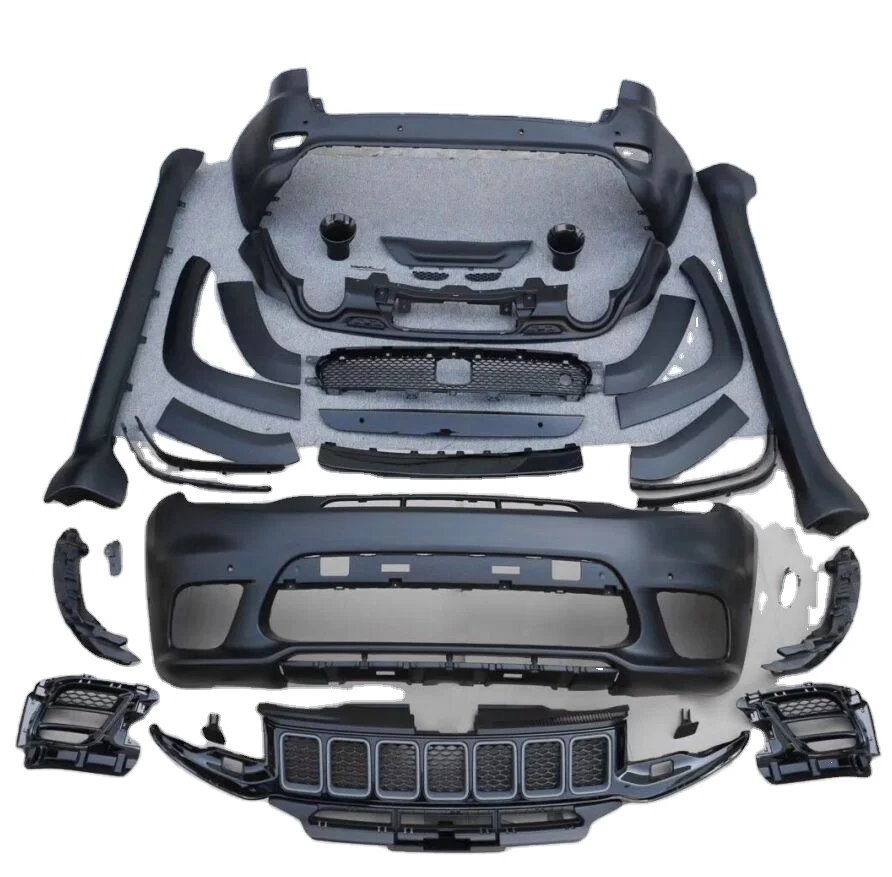
Body and Interior: These parts contribute to the overall appearance and comfort of your Cherokee. This includes everything from exterior panels, lights, mirrors, seats, dashboard components, and more.
Sourcing "Partes Para Jeep Cherokee": Options and Considerations
When it comes to sourcing "Partes Para Jeep Cherokee," you have several options, each with its own advantages and disadvantages:
- Authorized Jeep Dealerships: Offer genuine OEM (Original Equipment Manufacturer) parts, ensuring the highest quality and fitment. However, they are typically the most expensive option.
- Aftermarket Parts Retailers: Provide a wide range of parts from various manufacturers, often at lower prices than dealerships. Research the brands carefully to ensure quality. Reputable brands often offer warranties.
- Online Retailers: Offer convenience and competitive pricing. However, be cautious of counterfeit or low-quality parts. Check reviews and seller ratings before purchasing.
- Salvage Yards (Junkyards): Can be a good source for used parts, especially for older models. Inspect the parts carefully before purchasing.
- Specialty Jeep Parts Suppliers: Focus specifically on Jeep parts and accessories, often offering expert advice and a curated selection of high-quality components.
Tips for Choosing the Right "Partes Para Jeep Cherokee"
- Know Your Jeep: Familiarize yourself with your Jeep's year, make, and model, as well as its specific engine and transmission type. This information is crucial for selecting the correct parts.
- Use Your VIN: The Vehicle Identification Number (VIN) is a unique identifier that can be used to find the correct parts for your specific vehicle.
- Read Reviews: Before purchasing parts from an online retailer, read reviews from other customers to get an idea of the quality and reliability of the parts.
- Consider OEM vs. Aftermarket: OEM parts are generally more expensive but offer guaranteed quality and fitment. Aftermarket parts can be more affordable but require careful research to ensure compatibility and quality.
- Check Warranties: Look for parts with warranties to protect yourself against defects or premature failure.
- Consult a Mechanic: If you're unsure about which parts to choose or how to install them, consult a qualified mechanic.
Common Challenges and Solutions When Dealing with "Partes Para Jeep Cherokee"
- Finding Discontinued Parts: For older Cherokee models, finding certain parts can be challenging. Salvage yards and online forums specializing in vintage Jeeps can be valuable resources.
- Identifying the Correct Part Number: Ensure you have the correct part number before ordering. Double-check the VIN and consult with a parts specialist if needed.
- Counterfeit Parts: Be wary of counterfeit parts, especially when purchasing online. Look for reputable retailers and brands.
- Installation Difficulties: Some parts installations can be complex and require specialized tools or expertise. Consider hiring a professional mechanic if you're not comfortable performing the work yourself.
- Compatibility Issues: Even if a part is listed as compatible with your Jeep, it may not fit correctly or function properly. Double-check the part number and consult with a parts specialist.
Maintenance and Repair: Keeping Your Cherokee on the Road
Regular maintenance is essential for preventing costly repairs and extending the life of your Jeep Cherokee. Follow the manufacturer's recommended maintenance schedule, which includes:
- Oil Changes: Regular oil changes are crucial for engine lubrication and cooling.
- Filter Replacements: Replace air filters, fuel filters, and oil filters as needed.
- Fluid Checks and Top-offs: Check and top off coolant, brake fluid, power steering fluid, and transmission fluid regularly.
- Brake Inspections: Inspect brake pads, rotors, and lines for wear and tear.
- Tire Rotations and Alignments: Rotate tires regularly to ensure even wear and get your wheels aligned to prevent premature tire wear and handling issues.
- Regular Inspections: Inspect belts, hoses, and other components for signs of wear and tear.
Table Price: Approximate Costs for Common "Partes Para Jeep Cherokee"
| Part Description | Approximate Price (USD) | Notes |
|---|---|---|
| Oil Filter | $5 - $15 | Varies by brand and quality. |
| Air Filter | $10 - $30 | Varies by brand and quality. |
| Brake Pads (Front Set) | $30 - $100 | Price depends on material (ceramic, semi-metallic, etc.) and brand. |
| Brake Rotors (Front Pair) | $60 - $200 | Price depends on brand and quality. |
| Spark Plugs (Set of 6) | $20 - $60 | Price depends on type (copper, platinum, iridium) and brand. |
| Serpentine Belt | $20 - $50 | Varies by brand and length. |
| Coolant Hose | $10 - $30 | Varies by length and diameter. |
| Shocks (Front Pair) | $80 - $250 | Price depends on brand and type (gas, hydraulic). |
| Ball Joint | $20 - $60 | Price per joint. |
| Battery | $100 - $300 | Price depends on CCA (Cold Cranking Amps) and brand. |
| Alternator | $150 - $400 | Price depends on amperage and brand. |
| Starter | $100 - $300 | Price depends on brand. |
| Headlight Assembly | $50 - $200 | Price depends on type (halogen, LED) and brand. |
| Water Pump | $50 - $150 | |
| Fuel Pump | $80 - $250 |
Note: Prices are approximate and can vary depending on the supplier, location, and specific model year of your Jeep Cherokee. Labor costs for installation are not included.
Frequently Asked Questions (FAQ) about "Partes Para Jeep Cherokee"
-
Q: Where can I find the part number for a specific part?
- A: The part number is often printed on the part itself. You can also find it in your Jeep's owner's manual or by consulting with a parts specialist at a dealership or aftermarket parts retailer.
-
Q: What is the difference between OEM and aftermarket parts?
- A: OEM parts are manufactured by the original manufacturer of the vehicle. Aftermarket parts are manufactured by third-party companies. OEM parts are generally more expensive but offer guaranteed quality and fitment. Aftermarket parts can be more affordable but require careful research to ensure compatibility and quality.
-
Q: How often should I change my oil?
- A: The recommended oil change interval depends on your driving conditions and the type of oil you use. Consult your owner's manual for specific recommendations. Typically, oil changes are recommended every 3,000 to 7,500 miles.
-
Q: How do I know if my brake pads need to be replaced?
- A: Common signs of worn brake pads include squealing or grinding noises when braking, reduced braking performance, and a low brake pedal.
-
Q: Can I install parts myself, or should I hire a mechanic?
- A: Some parts installations are relatively simple and can be performed by experienced DIYers. However, more complex installations require specialized tools and expertise. If you're not comfortable performing the work yourself, it's best to hire a qualified mechanic.
Conclusion: Keeping Your Cherokee Alive and Well
Understanding "Partes Para Jeep Cherokee" is crucial for maintaining your vehicle's performance, reliability, and safety. By understanding the different systems and their components, sourcing parts from reputable suppliers, and following a regular maintenance schedule, you can ensure that your Cherokee remains a capable and reliable companion for years to come. Remember to prioritize quality, research your options, and don't hesitate to consult with professionals when needed. With the right knowledge and care, your Jeep Cherokee will continue to conquer roads and trails for many miles to come.